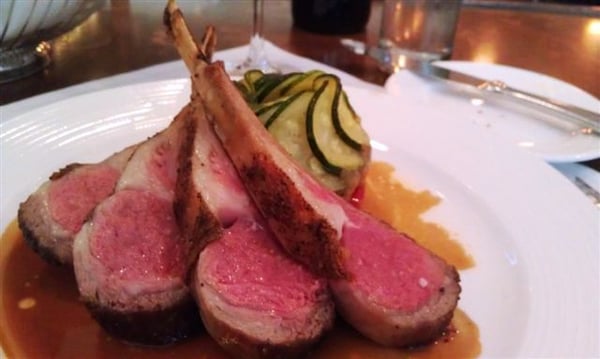
No need for "experts". The only tip you need is what your taste buds like.
Certainly anyone can eat anything any way they want to. No one is saying any different. If you want a charred-to-a-crisp steak, go for it. The restaurant will choose its worst piece of meat, because it makes no difference to you.
But it's also true that many matters of the palate require a level of mental openness and sophistication. Just because your brain's immediate reaction is "this is what I like" doesn't mean you aren't missing out on something. When a child is only willing to eat the foods they "like", we don't assume "well, that's their taste", we assume that they need to be exposed to other things to develop their palate. And the foods you eat are directly linked to that.
People who work with foods on an everyday basis, who understand flavour combinations, who train for years to get this right, has a better food experience than someone throwing together random microwavable dinners. Now it's possible that Joe Microwave
thinks his dinners are great and that any of them fancy vegetables or sissy stuff is nonsense. And what he feels is real--if you make him try something, he hates it, because he has a mental hangup. But if he were open to other things and exposed to other things, he would look back in his closed days and shake his head.
Budweiser is not a good beer. Some people enjoy it. That's fine, that's their right. But there is no one out there who is open to and drinks a wide variety of beer and comes back to Budweiser and says "Well, this one is the king of beers". Because a more sophisticated understanding of the different things at work in beer leads people to other choices. If you're scared of anything you can't see an ad for on TV, fine, drink whatever you want. But your unwillingness to try new things limits you, and pretending that your "taste" means it doesn't is wrong.
People who work with food their whole life, train, read, develop... people who dedicate their lives to the fullest experience of food possible... what these people think counts, and it counts because their expertise informs them and teaches them how the palate works and the full flexibility of the palate. It requires time. It requires experimenting. It requires trying to understand why something that doesn't quite work for you works for other people. It requires relaxing.
This goes for everything in life--the more confident you are that everything you know now is everything you need, the more closed you are to new things, then the more you miss out on. But by all means--a well done steak and a mashed potato, Budweiser in hand, if it makes you happy...
To the rare lovers, why not just eat it RAW?
Because a balance exists between ease of chewing the meat and preserving the flavour.
"If you're willing to eat squid, why not chew on a rubber ball"? "If you like sweets, why not just eat a cup of sugar"?




 . Ribeye or porterhouse all day ev'ry day!