

-
Hey Guest. Check out your NeoGAF Wrapped 2025 results here!
You are using an out of date browser. It may not display this or other websites correctly.
You should upgrade or use an alternative browser.
You should upgrade or use an alternative browser.
Can devs please stop with film grain?
- Thread starter Spoo
- Start date
Same here. Maybe I'm crazy, but I also disable depth of field.I hate film grain and motion blur, I play primarily on PC to disable these effects. Well not primarily but it was a big push.
Conkerkid11
Member
The compression on that doesn't help show anything at all.True.

Just make it a toggle
Simple
Chubzdoomer
Banned
SonyToo!™;153227582 said:Simple
On PC, a toggle already exists for most games with film grain. There's no reason consoles shouldn't have the same option IMO.
Film grain and noise helps with perceived sharpness. See this, OP:
http://en.m.wikipedia.org/wiki/Acutance
http://www.cambridgeincolour.com/tutorials/sharpness.htm
isnt this like turning up the sharpness on your tv? "looks better" but isnt? looks like it anyway. im not very knowledgeable about this kinda stuff
Film grain and noise helps with perceived sharpness. See this, OP:
http://en.m.wikipedia.org/wiki/Acutance
http://www.cambridgeincolour.com/tutorials/sharpness.htm
Haven't actually heard of this. On lower resolution images, I think the effect of this is probably much higher, and as others have pointed out it does appear to add detail/complexity to an image in those cases. At higher resolutions though, is it necessary? Is there a sense of diminishing returns once we reach 900p and up?
IcyBlueStrawberry
Member
.Just make it a toggle
I like film grain, but I can understand why some people don't. Having it as an option makes both parties happy.
JudgmentJay
Member
I like it in certain games... it depends on the aesthetic. I like it in the Silent Hill games and The Order, but didn't like it in Alien Isolation.
No reason there shouldn't be an option to toggle it off though. Same goes for any and all post-processing effects. I'm all for artistic vision, but you shouldn't be forced to watch an effect you hate just because the devs like it.
No reason there shouldn't be an option to toggle it off though. Same goes for any and all post-processing effects. I'm all for artistic vision, but you shouldn't be forced to watch an effect you hate just because the devs like it.
I have a eye condition known as Visual Snow. Basically it's like I see the world with constant film grain. As far as I know this is a rare condition but I thought it was normal.
So yeah I'm OK with not adding more grain.
Really sorry to hear about this man. You're the best example I have seen of developers needing to add a toggle for grain for those with your impairment.

Melchiah
Member
I believe film grain in Silent Hill is used to disorient the player or put him/her in further unease. It adds a layer of noise to the image, and in dark areas, the grain is very apparent and can sometimes hide the vague movement of enemies in the darkness ahead.
So it can have an effect on gameplay.
It also brings an old feel to the game, like you're watching a horror film on VHS tape. Asking what it brings is pretty much like asking what the fog brings to the game. Both obscure details, and increase the atmosphere. Although, the fog was originally used to get past PS1's technical limitations.
In movies filmed on film, yes. In video games it's stupid mostly.grain is beautiful and i love it
Pestilence11
Member
This should always be an option in the game menu, with default being on, if that's what the developer wanted.

magnumpy
Member
If you don't mind me asking, what 'effect' does it actually bring to Silent Hill? I think Silent Hill is a great series, but I feel like it can be a dark, disturbing game, and still have great picture quality. Since it's not actually designed to obscure the image (in other words, it's not used to affect the gameplay in any meaningful way), it just strikes me as a "We made it look like film because we could, and never stopped to think about whether or not we should."
Lens flare, depth of field, SSAO, a lot of these post process effects have a meaningful impact on gameplay, but I don't think film grain really does :\
for silent hill specifically, it obscures the environment and adds a feeling of claustrophobia. the fog serves the same purpose. granted the fog served the purpose of hiding the clipping plane on the PS1 definitely, but I just don't feel it would seem like a Silent Hill game if you could see clearly for a mile.
It also brings an old feel to the game, like you're watching a horror film on VHS tape. Asking what it brings is pretty much like asking what the fog brings to the game. Both obscure details, and increase the atmosphere. Although, the fog was originally used to get past PS1's technical limitations.
Isn't this the kind of thing that can be better achieved with self-shadowing, better lighting and shadows? I can see the use cases when it was prohibitively difficult in the past to get the same effects, but having moved on in terms of what we can do with modern technology, it feels more or less like "doing it because the movies did it."
Alien: Isolation, for example, adding film grain to the technology in the game, the computers, that kind of thing, I think you can make a reasonable case for that, but the game itself? I mean, we just don't see the world like that, and in film it's more or less an artifact -- a hindrince -- of the technology. Since games are digital, and even movies are moving into digital now, can't you be... authentically digital, I guess?
I thought it was absolutely fantastic in Alien Isolation, really helped the authenticity.
Alien is a good example because they also had an option on all systems to turn it off. I appreciate that level of consideration.
I'm fine with some film grain or chromatic aberration.
The film grain was disgusting in Evil Within. It made everything that was dark or black turn into blue. I had to turn that shit off.
In Alien Isolation there's film grain and CA. The CA fits the art imo and I can't see the film grain, whether turned all the way up or down, strange....
The film grain was disgusting in Evil Within. It made everything that was dark or black turn into blue. I had to turn that shit off.
In Alien Isolation there's film grain and CA. The CA fits the art imo and I can't see the film grain, whether turned all the way up or down, strange....
If its part of the vision that the developer is trying to achieve, then who am I to say it shouldn't be there?
I'm not sure I like that argument. We all want to respect a developers vision, yes, but there's a point where we can and should critique it. Many people loved The Order, but many of those same people think non-skipable cutscenes is a mistake -- it may be their vision, but that doesn't stop us from suggesting that, as a vision, it's a poor one? Sometimes developers make mistakes; well-meaning ones, but mistakes nonetheless. I think they ultimately want to hear from players about whether or not we see those decisions as good ones or bad ones.
I thought it was absolutely fantastic in Alien Isolation, really helped the authenticity.
Definitely. It looks amazing.
Oddly enough, Dumb & Dumber To was the same way, especially when compared to the original.
What causes this? Is it the modern cameras & equipment, set pieces & props, or both? I've always wondered.
More films are being shot digitally and don't have the problem of grain (but they can have noise problems when shooting in low light).
Also, almost all modern Hollywood films are digitised as one of the first steps in post processing. Not having to physically cut and paste film to edit it means your master copy is kept in excellent condition, and that is captured and preserved.
Also also, most cinemas now use digital projectors. That means no more additional film grain from your cinema's copy, no more cigarette holes to change the reel, projection judder, dots and scratches etc.
Games are supposed to be a works of art, I don't try changing the colour of a movie because of my preferences.
Unless your set is professionally calibrated, actually you have simply through TV processing settings.
CheesecakeRecipe
Stormy Grey
It depends on the method used to simulate the film grain, but I often quite enjoy it.
I do wonder though, how Nappuccino can play Left 4 Dead 2 with the film grain maxed out. That's like trying to look through a snow channel to see the future.
I do wonder though, how Nappuccino can play Left 4 Dead 2 with the film grain maxed out. That's like trying to look through a snow channel to see the future.
Apoleptica
Banned
I greatly enjoyed the film grain in the cutscenes of Assassins Creed Unity.
Film grain doesn't make the image look better or worse. It makes it look different. When designers introduce it, they are going for a certain look. Like cel shading, it's an artistic decision.
I loved it in Mass Effect for instance. It really added to the atmosphere and made cutscenes look less plasticky. Including a toggle to turn it off is a cool decision from developers since it lets people like you turn it off to enjoy the game their way.
That said, I'd never call for it to stop being used entirely. If that's the way you want your game to look, go for it! Like any artistic decision, I respect it. And in many games I happen to like the end result.
I loved it in Mass Effect for instance. It really added to the atmosphere and made cutscenes look less plasticky. Including a toggle to turn it off is a cool decision from developers since it lets people like you turn it off to enjoy the game their way.
That said, I'd never call for it to stop being used entirely. If that's the way you want your game to look, go for it! Like any artistic decision, I respect it. And in many games I happen to like the end result.
IcyBlueStrawberry
Member
Oddly enough one of my friends has the same condition and he likes film grain because it makes the game seem "more like real life".I have a eye condition known as Visual Snow. Basically it's like I see the world with constant film grain. As far as I know this is a rare condition but I thought it was normal.
So yeah I'm OK with not adding more grain.
OverturePT
Member
I just ask for a option to turn it off. Film grain, motion blur and depth of field are something that I don't care for and always turn off when I can (obviously chromatic aberration as well, but devs that use that crap almost never let me turn it off without changing some files). It's when I can't turn it off that I get pissed.

Melchiah
Member
Isn't this the kind of thing that can be better achieved with self-shadowing, better lighting and shadows? I can see the use cases when it was prohibitively difficult in the past to get the same effects, but having moved on in terms of what we can do with modern technology, it feels more or less like "doing it because the movies did it."
Alien: Isolation, for example, adding film grain to the technology in the game, the computers, that kind of thing, I think you can make a reasonable case for that, but the game itself? I mean, we just don't see the world like that, and in film it's more or less an artifact -- a hindrince -- of the technology. Since games are digital, and even movies are moving into digital now, can't you be... authentically digital, I guess?
I've tried to play SH2 without the noise filter, and it just seemed off and too clean. I think the effect works well for certain type of horror games, and to some extent Mass Effect as well. It kinda made it feel more like an old sci-fi soap opera from the 80's/90's to me. I see it as a way to create a certain atmosphere, but I imagine it might seem different for those who are younger, and have never experienced VHS quality films and series. I definitely don't see it as a hindrance, and affecting the gameplay negatively in any way.
Film grain doesn't make the image look better or worse. It makes it look different. When designers introduce it, they are going for a certain look. Like cel shading, it's an artistic decision.
I think it does make the image quality worse -- whether or not that's the intention, like in Alien: Isolation for example, is one thing. The 'certain look' they are going for can be one of diminished quality, but I don't think it should be in question that it is, in fact, diminished quality.
I'm enjoying a lot of these responses though. People are going to disagree of course, but a lot of the responses in this thread so far are excellent and are definitely making me think differently about a few things.


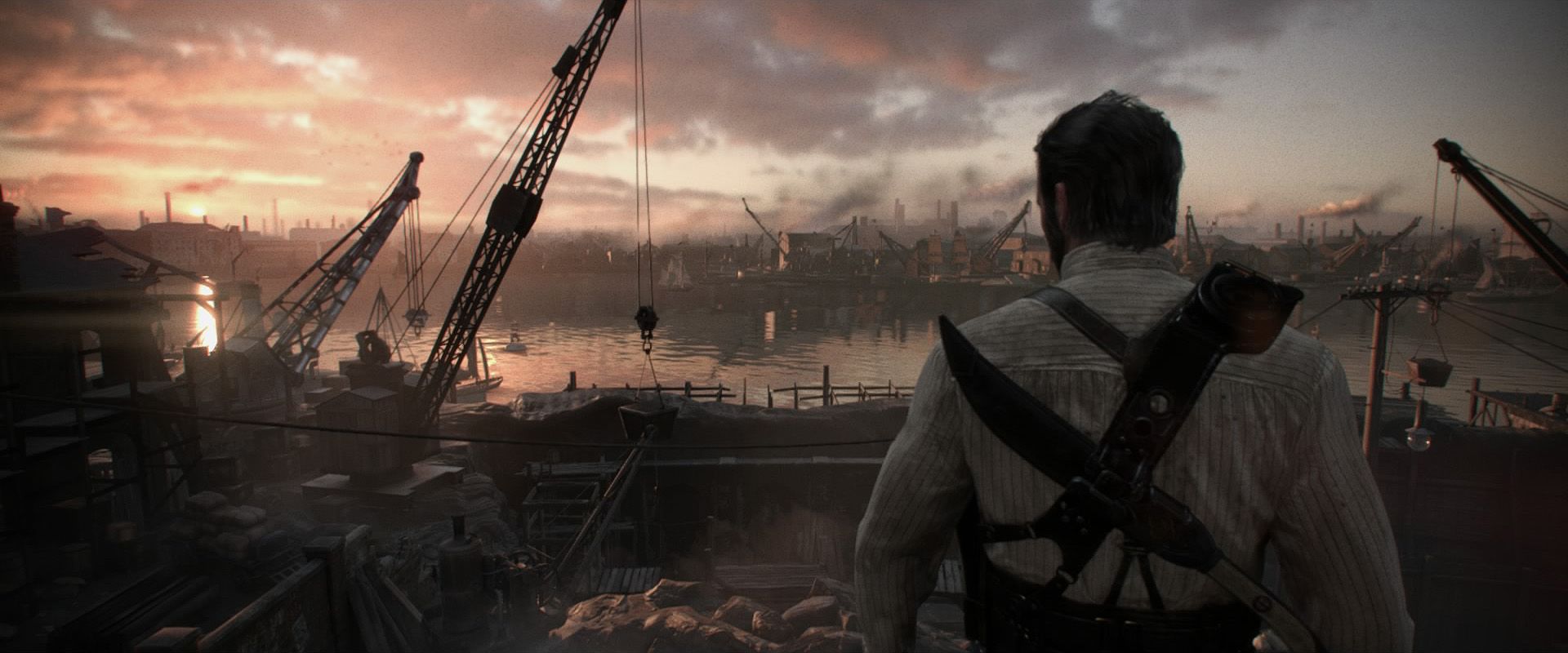
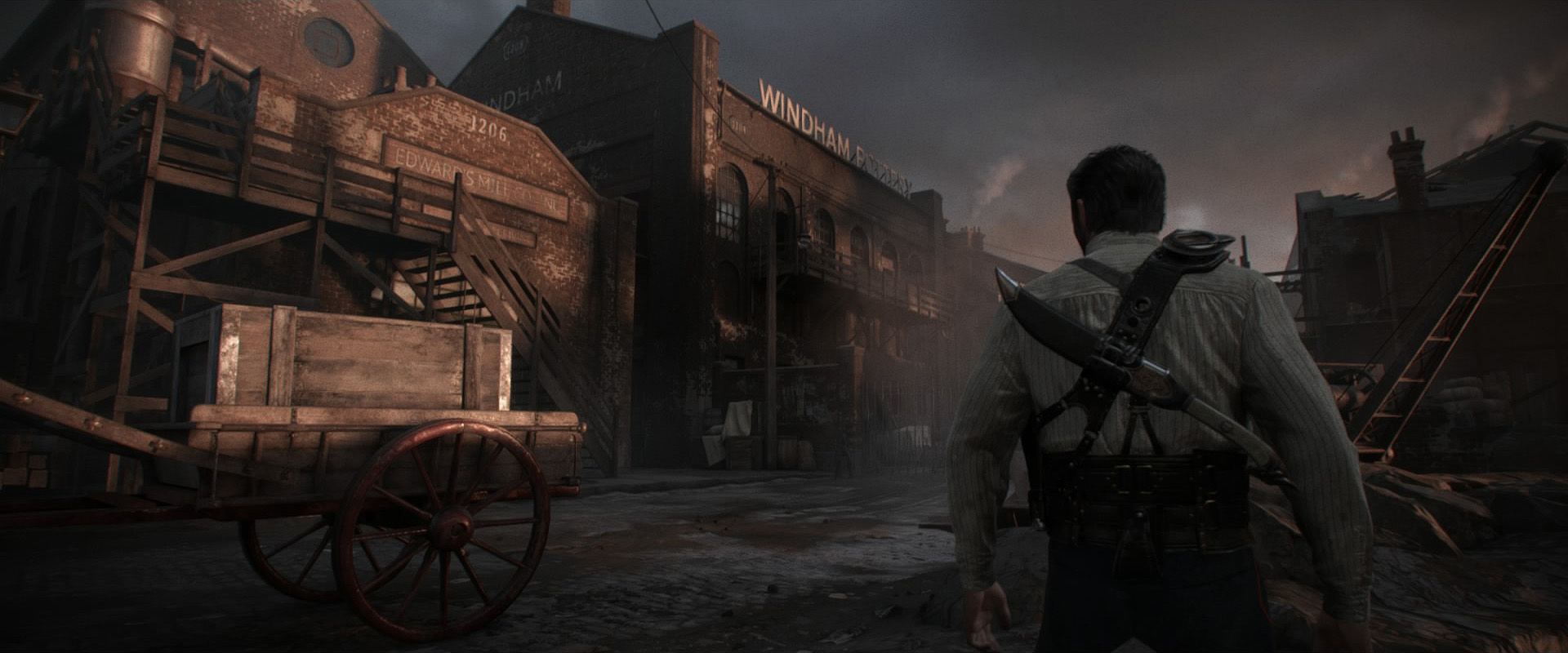

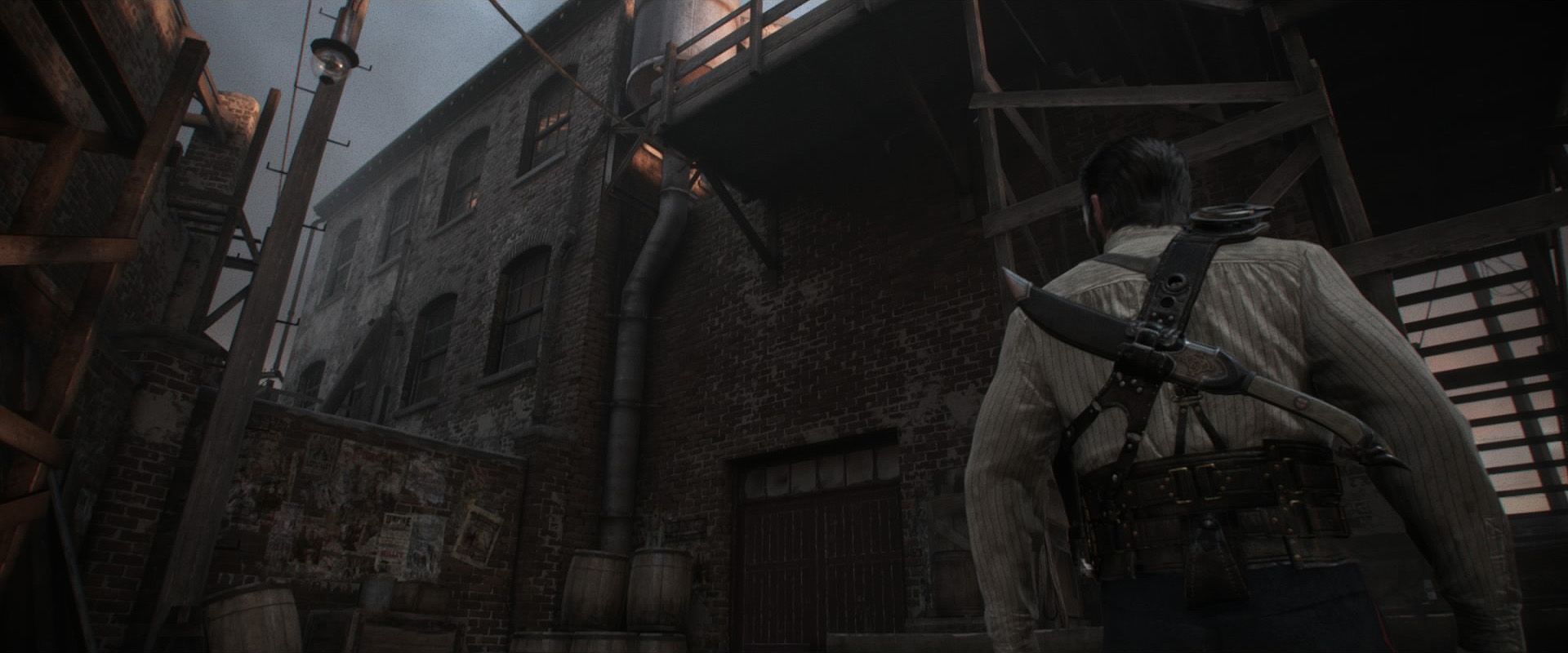

thunder_snail
Member
From what I understand, this is a post-process effect. In other words, the image is rendered to a texture, and then processed again in a fragment shader by sampling a noise texture (or it's mathematically created, I'm not sure). So it actually takes *more* processing time to cruddy up the image.
Film grain takes almost no processing power and if used right, helps hide the imperfection of the final image. There are other options such as supersampling but that would completely destroy the frame rate.
And that's what I think it does. It takes, perhaps, a beautiful image -- The Order is a prime slice of example here, because the image quality is frankly fantastic. Next-to-no aliasing, high-quality filtering, beautiful lighting, textures, and a variety of post-process effects that make the image more interesting. Until you get to the film grain.
If you take away the film grain, the beautiful image you imagine without the film grain won't be so beautiful anymore, especially because of temporal aliasing. Sure, screenshots will look nicer but the actual game won't. Film grain really helps in hiding a lot of that stuff by taking your attention away from them. Human eyes and brains have evolved to notice change in our perception (which is why contrast is more important than color accuracy in most cases) and film grain, by moving around a lot, really helps distracting you from imperfections.
I can't be the only one who feels this way. It actually bothers me more than chromatic abberation, which is another effect that unless used in a very subtle manner really messes the image quality up.
You're not the only one. It is an imitated imperfection that somehow ends up improving the overall output of the image for the majority of people. In a perfect world, everyone would have super PCs and every devs would design games so they run at 4k/60fps on those PCs with perfect AA so things like post processing AA and film grain wouldn't be needed anymore.
What say you GAF -- can we request that developers basically always provide a way to turn this off, or just completely abandon it? Is this just a side-effect of the game industry wanting to be Hollywood, or are there "good" examples of this being used prominently in games? Probably the only game I can think of where it makes sense is Outlast, maybe.
It is unreasonable to ask for options in console games since that's what makes them console games, simplicity. Take Mac vs Linux for an example. Linux provides tons of options while Macs provide good out of the box experience. In the end, a system with Linux kernel and customized environment is the most optimal solution, but there's a reason why a standardized, non-customizable environment like Macs appeal to lots of people.
In the end, I think a lot of people are against "film" grain because of the word "film" is not very popular right now in the video gaming world. Even if film grain never existed in actual movies, the effect would help more than hinder in video games if used right unless you have enough power for super AA and downsampling.

KittenMaster
Member
I remember film grain adding the illusion of more texture detail than there actually was in Silent Hill 2 & 3. Considering how important it was to be immersed in the games for the sake of horror it served a very good purpose.
orthodoxy1095
Banned
Beaten. Well put.I think film grain (and other intentional "defects") have the potential to look pretty nice, and while it would be nice if they offered the option of disabling it, they shouldn't have to provide that option if they don't want to.
FIGHT ME.