


-
Hey Guest. Check out your NeoGAF Wrapped 2025 results here!
You are using an out of date browser. It may not display this or other websites correctly.
You should upgrade or use an alternative browser.
You should upgrade or use an alternative browser.
Is Forza Horizon 6 another woke slop?
- Thread starter GrayChild
- Start date

DenchDeckard
Moderated wildly
Then dont fucking buy the game. I swear some of you cry like a bunch of babies, but you purchase super ultra deluxe versions of the game. Fucking lmao. Oh no your driver is ugly in a FUCKING RACING GAME WHERE U WILL 98% never see him/her/it, nor your pronoums, nor your body type. Honestly anyone who complains about these and talks about the game in the OT should be perma-banned.


Tomorrow
Banned
it's a racing game. do you want a character creation system like baldur's gate/cyberpunk/skyrim? and if so, why?forced options are not optional

Boo Who?
Gold Member
Not gonna lie, I am selecting the derpiest character in the lot. Its almost like whoever was in charge of the character faces is not like the others, but likes their job and had some fun with it. "I felt it was pretty diverse to make all of our characters look special needs, so they can feel the thrill of driving a car just like everyone else." 
Last edited:

forsakkenSoul
Member
Another day, another thread on GAF with people crying about woke stuff.


Saber
Newd Member
Very curious, what the fuck is body type 3 about? Animal or furry race?
The game has pronoums. How does proumouns help you in a race exactly?
theose are just defaults. if you look carefully you can customise body type, skin, hair, etc.
just looking for a reason to get angry.
The game has pronoums. How does proumouns help you in a race exactly?

hououinkyouma00
Member
Horizon has never had great looking characters. 4/5 had like a single white dude that didn't look like shit.Holy shit are those really the default avatars?

ScHlAuChi
Member
woke slop. i demand my cars clearly state their gender

Gonzito
Gold Member
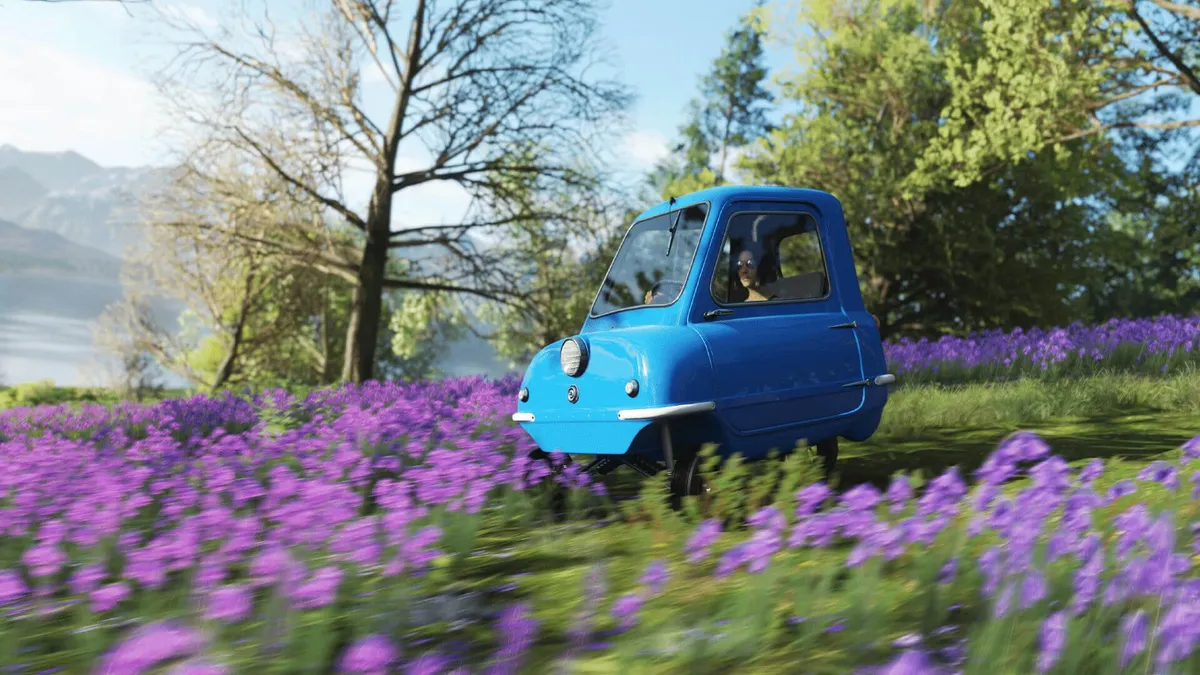
Apparently the game has THREE body types. Not even type 1 for male or type 2 for female anymore:

Also pronouns in the character creator:

Is there even one normally looking female character type:



CuteFaceJay
Member
At this rate it might as well be Forza Bangkok :/

RoboFu
One of the green rats
how about none then? just give me a car not an agenda.it's a racing game. do you want a character creation system like baldur's gate/cyberpunk/skyrim? and if so, why?


NoI agree. Actually I might talk to the moderators and create an official OT in the future so we can discuss wokism in games
EviLore what do you think? Do I deserve the honors?


Steve Holt
Member
Those character models are hilarious

lughnasadh123
Member
None of it bothers me so long as the driving as fun. Still though, gotta wonder why everyone looks like they have Downs.
Gonzito
Gold Member
MetalFreak
Member
Fuck pronouns! I'm out.

cormack12
Gold Member
I see you bro, hop into my convoy and we will cruise round on pussy patrolThen dont fucking buy the game. I swear some of you cry like a bunch of babies, but you purchase super ultra deluxe versions of the game. Fucking lmao. Oh no your driver is ugly in a FUCKING RACING GAME WHERE U WILL 98% never see him/her/it, nor your pronoums, nor your body type. Honestly anyone who complains about these and talks about the game in the OT should be perma-banned.

The Cockatrice
I'm retarded?
I see you bro, hop into my convoy and we will cruise round on pussy patrol
Please tell me your point isnt that ugly equals bad. Show us how you look irl and I'll decide if i wanna hang around here with you.

rodrigolfp
Haptic Gamepads 4 Life
ExplainThe ones with electronic injections are very binary
Steve Holt
Member
Please tell me your point isnt that ugly equals bad. Show us how you look irl and I'll decide if i wanna hang around here with you.

cormack12
Gold Member
I can show you on the 15th, there is enough ugly avatars to recreate me!!!Please tell me your point isnt that ugly equals bad. Show us how you look irl and I'll decide if i wanna hang around here with you.

DAHGAMING
Kentucky Fried Controller
I Guess they done a deal with Resetera to put there top members in the game by the look of it.
I guess theres no bald drunk white Englishman drapped in the St George flag ? Thats me not represented so will have to pass.
Sorry Xbox but not even I can defend you from this woke slop.

Roman Empire
Member
Where is the body type for my cars? That is what matters.
On topic, holy fucking shit are these template characters ugly!
On topic, holy fucking shit are these template characters ugly!
The Cockatrice
I'm retarded?
I can show you on the 15th, there is enough ugly avatars to recreate me!!!


Gamer_By_Proxy
About to beat off
I Guess they done a deal with Resetera to put there top members in the game by the look of it.
I guess theres no bald drunk white Englishman drapped in the St George flag ? Thats me not represented so will have to pass.
Sorry Xbox but not even I can defend you from this woke slop.
You kinda made a good point. Looks like they're just representing minorities and not the "majorities". So they're not representing most people. (I know white isn't really the majority worldwide)
Well there is a scroll bar. Maybe you gotta do a scroll of shame to pick white.
Last edited:

Black_Stride
do not tempt fate do not contrain Wonder Woman's thighs do not do not
I am going to make sure all my cars look like the General Lee.
Confederate Flags have been banned from the Livery Editor for like half a decade at least?
Pretty sure the Forza General Lee doesnt have it anymore either and can net you a ban if you try paint one on.
Rising Sun is also banned.
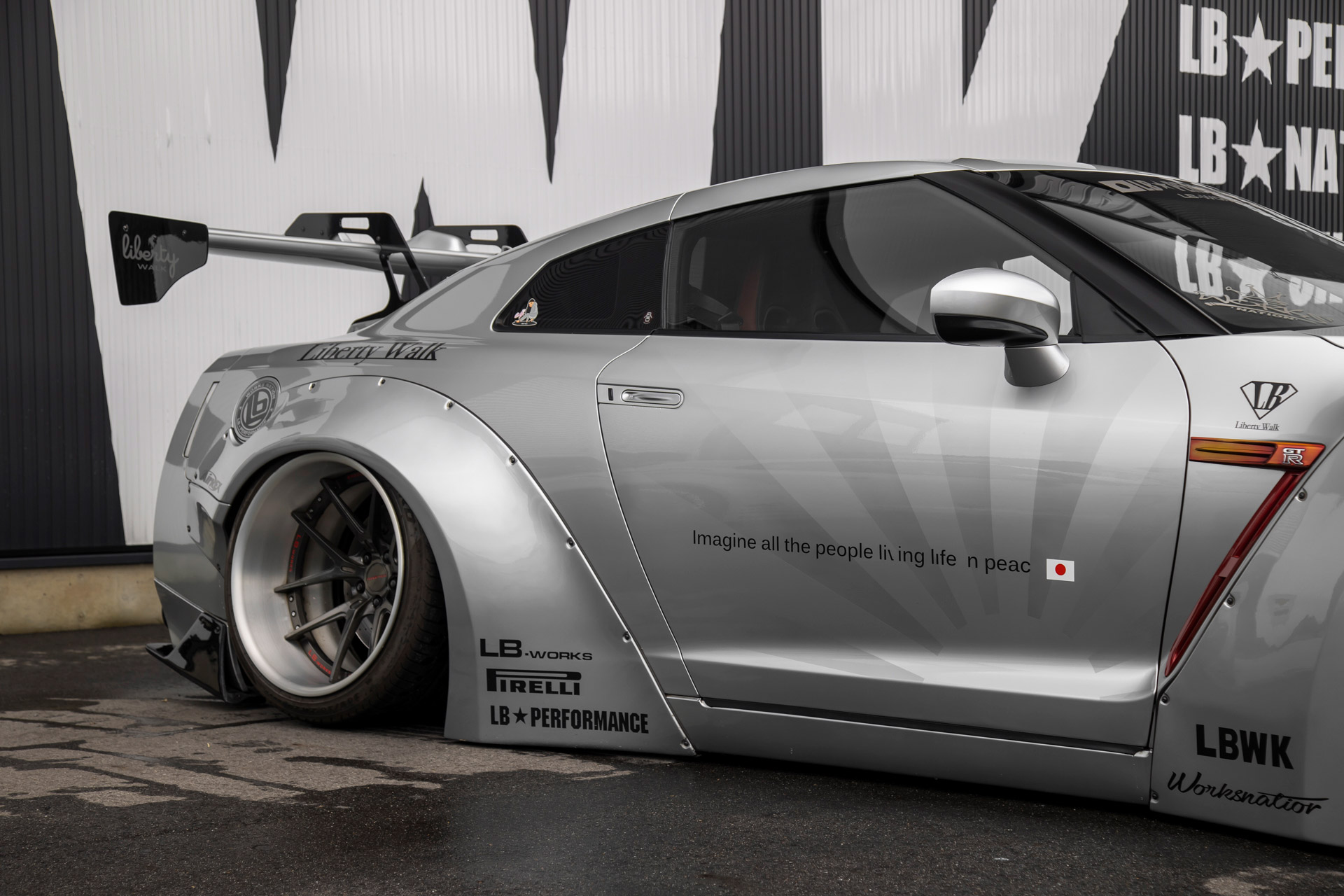
So imma guess the "Imagine all people living in peace" Pandem/Rocket Bunny livery is also banned.
I always thought it was such a cool livery
P.S
If the character creator is enough to have you skip Forza games.......you might be missing the point of these games.
Literally never customized my character in any of them cuz I dont much care what "they" look like I almost always choose a stupid name for Anna to say cuz its never NOT funny hearing her randomly say "My Lord even XYZ is available or something".......but Ill spend hours and hours in the livery editor.
Have fun and stop taking this shit seriously......you are giving yourself a headache when you can just enjoy the cars.
P.P.S
The character creator is the worst addition to Forza Horizon.....once rolls started adding clothes ill never use I was like this is some bullshit, my luck had me constantly "winning" clothes hoped there was a way to switch it off the way you can switch off liveries.

Killer8
Member
I tried to warn you almost one year ago:
I, for one, cannot wait to take drift assignments from "Takeo", a Nigerian-born immigrant with a bionic leg and pride stickers on his car.
Love this series!

Fbh
Gold Member
Lol at those default avatars. Why do literally all of them look derpy as fuck?.
Personally I don't think pronouns and body types are that big of an issue when it's just your avatar in a racing game. I still want to play the game when it comes to Ps5.
But this doesn't bode well for Fable, that thing will be so woke it will make Rings of Power look like conservative propaganda.
Personally I don't think pronouns and body types are that big of an issue when it's just your avatar in a racing game. I still want to play the game when it comes to Ps5.
But this doesn't bode well for Fable, that thing will be so woke it will make Rings of Power look like conservative propaganda.

JCK75
Member
I love the series but it's become nearly insufferable .. and what I mean by that is I hate long drawn out cutscenes that cannot be skipped.. this game just loads on all sorts of bullshit nobody cares bout..
we want to drive... I don't give two shits who my character is or what he looks like because I should never see him.. not once.. during this entire game.
we want to drive... I don't give two shits who my character is or what he looks like because I should never see him.. not once.. during this entire game.

DarkShadowXI
Gold Member
I'm considering making one. Can I hide my own thread if I do?We urgently need a "Is this a woke slop" OT.

AJUMP23
Parody of actual AJUMP23
Confederate Flags have been banned from the Livery Editor for like half a decade at least?
Pretty sure the Forza General Lee doesnt have it anymore either and can net you a ban if you try paint one on.
Rising Sun is also banned.
So imma guess the "Imagine all people living in peace" Pandem/Rocket Bunny livery is also banned.
I always thought it was such a cool livery
P.S
If the character creator is enough to have you skip Forza games.......you might be missing the point of these games.
Literally never customized my character in any of them cuz I dont much care what "they" look like I almost always choose a stupid name for Anna to say cuz its never NOT funny hearing her randomly say "My Lord even XYZ is available or something".......but Ill spend hours and hours in the livery editor.
Have fun and stop taking this shit seriously......you are giving yourself a headache when you can just enjoy the cars.
P.P.S
The character creator is the worst addition to Forza Horizon.....once rolls started adding clothes ill never use I was like this is some bullshit, my luck had me constantly "winning" clothes hoped there was a way to switch it off the way you can switch off liveries.
Hammer and Sickle it is then.

Men_in_Boxes
Snake Oil Salesman
This may be in poor taste but...play Gran Turismo.
Racing is meant for a track. Taking a Corvette ZR1 off road is exactly what George Saros wants.
Racing is meant for a track. Taking a Corvette ZR1 off road is exactly what George Saros wants.
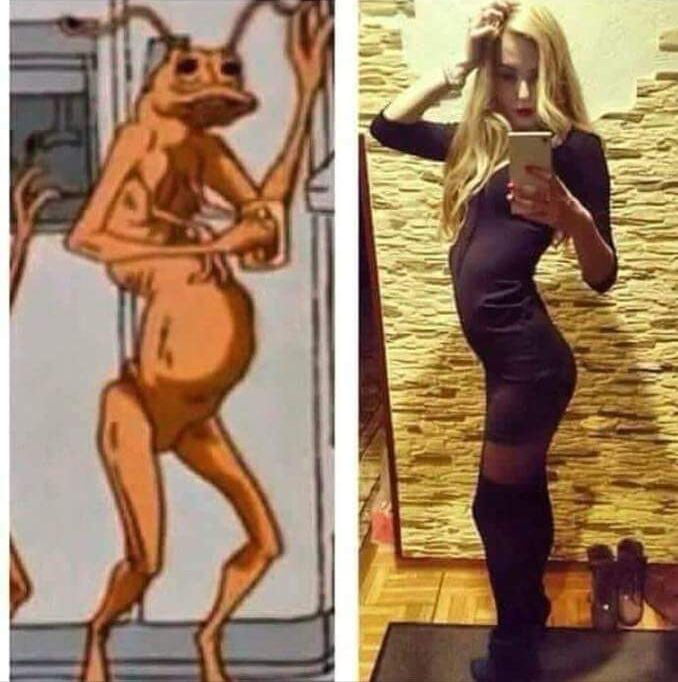
Show us body type 3

Lucifers Beard
Member
Another thread about this shit? Whatever you do, don't read the news, you'll probably fucking explore lol.

Venom Snake
Member
How does this make Forza woke? The character creator tool matters less here than the color of your toothbrush.

cireza
Member
That's DLSS5 again.
Gamer_By_Proxy
About to beat off
Aw shoot.. why do they do this crap..
They get to virtue signal and get money for it.
Yes, there are financial and institutional incentives—though not usually direct "pay-per-woke-element" bribes—for video game developers and publishers to incorporate DEI (Diversity, Equity, Inclusion) elements, often labeled "woke culture" by critics.15
These come primarily through private investment pressures (ESG), corporate consulting, internal company programs, and some government or nonprofit grants that prioritize diversity criteria. It's not universal conspiracy-level funding for every rainbow flag or pronoun, but a mix of risk-avoidance, access to capital, and ideological capture that has influenced hiring, narratives, and content.
ESG Investing and Private Capital
Large investors and asset managers (via Environmental, Social, Governance or ESG scoring) have pushed companies to adopt DEI metrics for better "social" scores, which can improve access to investment, loans, or favorable ratings. Gaming veterans like Mark Kern have argued this creates a system where studios tick boxes for funding or partnerships, even if it risks alienating core audiences.1529
Companies score points for diverse teams, inclusive narratives (e.g., prominent LGBTQ+ or minority representation, "sensitivity" consulting), and related initiatives. This isn't direct government mandates in the US but market-driven pressure from firms managing trillions. Backlash has led some investors to pull back from strict ESG.34
Consulting Firms and Narrative Changes
Firms like Sweet Baby Inc. (a narrative consultancy) have been hired by major studios (e.g., for God of War Ragnarök, Alan Wake 2, Suicide Squad: Kill the Justice League) to advise on diversity, inclusion, and story elements. Critics argue this leads to forced changes prioritizing representation over gameplay or fan expectations, sometimes correlating with commercial underperformance or review-bombing. Supporters see it as enriching stories.40
This isn't "free funding" but paid work that helps studios meet ESG/DEI targets.
Direct Funding and Grants Examples
- Xbox/Microsoft: Funded games like Relooted through the ID@Xbox Developer Acceleration Program, explicitly tied to DEI goals. Developers credited it with enabling completion.13
- Government/nonprofit grants: Some programs (e.g., UK Games Fund) have used diversity quotas or preferences in allocation.9 In the US and elsewhere, funds from IGDA Foundation, Unity for Humanity, or ESA target "underrepresented" developers or projects aligned with social impact/UN goals.13
- Broader industry: Post-2020, hundreds of millions flowed into diversity scholarships, funds, and initiatives. Some smaller devs report grants favoring diverse teams or themes.51
Big publishers (EA, Ubisoft, etc.) maintain internal DEI departments with budgets for content and hiring goals.14
Counterpoints and Outcomes
- Not the only factor: Most funding still comes from sales, publishers, and traditional VC. Many "woke" games succeed commercially (Spider-Man 2, Ragnarök) if gameplay is strong; flops often trace to multiple issues (live-service failures, bugs, high costs).
- Backlash and shift: Steam curator lists ("Sweet Baby Inc Detected," ESG-Detected), boycotts, and poor sales for some titles have pushed back. Some publishers (e.g., CI Games) now market "anti-DEI"/merit focus. Layoffs and restructuring hit DEI roles. ESG enthusiasm has cooled in parts of finance.27
- Data shows funding gaps favoring male-led teams overall, but targeted DEI pots exist for others.19
In short, developers don't get blank checks solely for adding pronouns or race-swaps, but yes—ESG alignment, DEI consulting, targeted grants, and internal metrics create tangible incentives. This reflects broader corporate trends rather than a video-game-specific plot. Market feedback (player sales and engagement) remains the strongest long-term signal, which is why pushback has grown.

Cumulus
Member
They could`ve just left out the character editor alltogether, it`s absolutely superfluous in a racing game, yet they voluntarily put it in like this...P.S
If the character creator is enough to have you skip Forza games.......you might be missing the point of these games.
If you don´t understand that this tiny part speaks volumes about the values of the producers then you might be missing the point.
This really isn´t about this specific part of the game. This is about not wanting to support developers with that mindset in general.
Last edited:

Guilty_AI
Gold Member
Forza horizon can do gran turismoThis may be in poor taste but...play Gran Turismo.
Racing is meant for a track. Taking a Corvette ZR1 off road is exactly what George Saros wants.
Gran turismo can't do Forza Horizon
