DOWN
Banned
McDonald's uses over 4% of the eggs produced in the US each year and expects that to rise with all-day breakfast starting October 6. In this growth, they also intend to move toward cage-free eggs. While cage-free eggs will cost more, they believe their competitive buying power will push the price of all cage-free eggs lower in time as the industry moves toward them. It will take several years to reach 100% cage-free production since currently less than 10% of hens in the US are kept cage-free.
While cage-free carries a premium, the higher pricing is distorted by exceptionally high markups that retailers impose on customers interested in cage-free.
http://www.nytimes.com/2015/09/10/business/mcdonalds-to-use-eggs-from-only-cage-free-hens.html?_r=0
While cage-free carries a premium, the higher pricing is distorted by exceptionally high markups that retailers impose on customers interested in cage-free.
http://www.nytimes.com/2015/09/10/business/mcdonalds-to-use-eggs-from-only-cage-free-hens.html?_r=0
In a move that has significant implications for American and Canadian egg producers, the McDonald’s Corporation is announcing that it will begin phasing out the use of eggs from hens housed in cages.
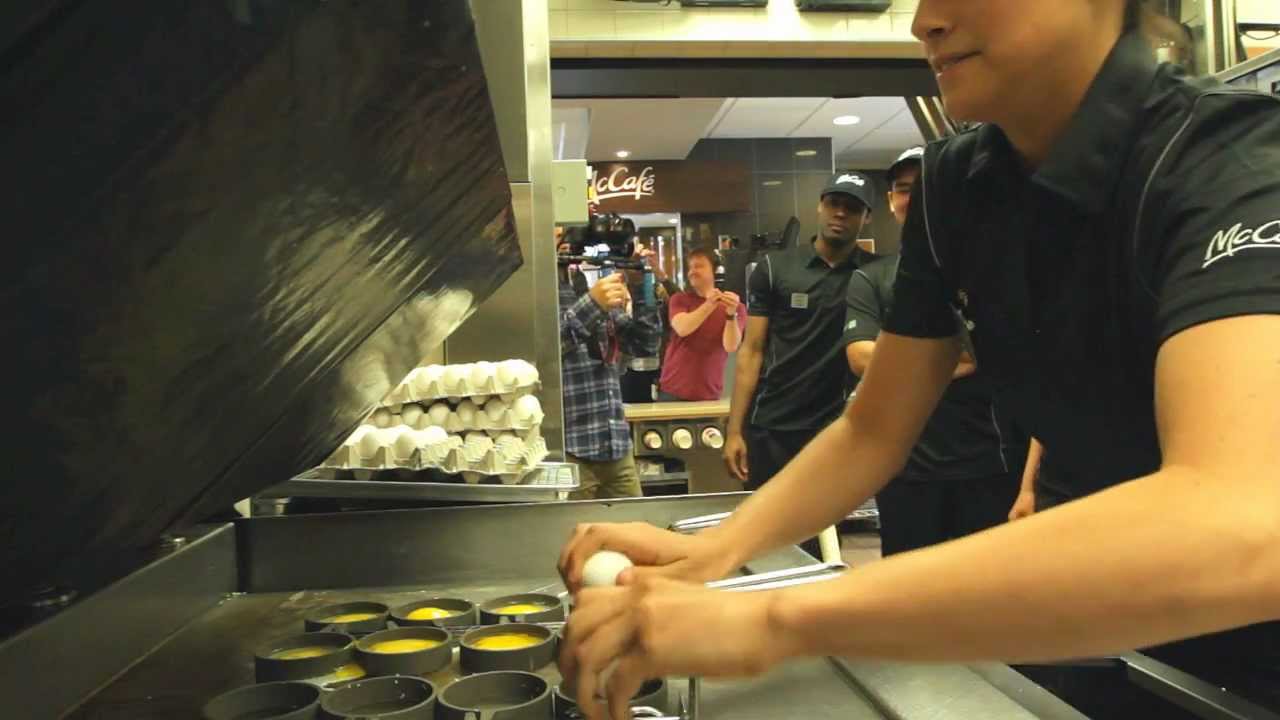
The company uses some two billion shell and liquid eggs annually, or a little more than 4 percent of the 43.56 billion eggs produced in the United States last year. With the national announcement last week of plans to sell some breakfast items all day long, the company expects to buy even more eggs. For example, the Egg McMuffin, which uses one egg per sandwich, is among the company’s most popular menu items.
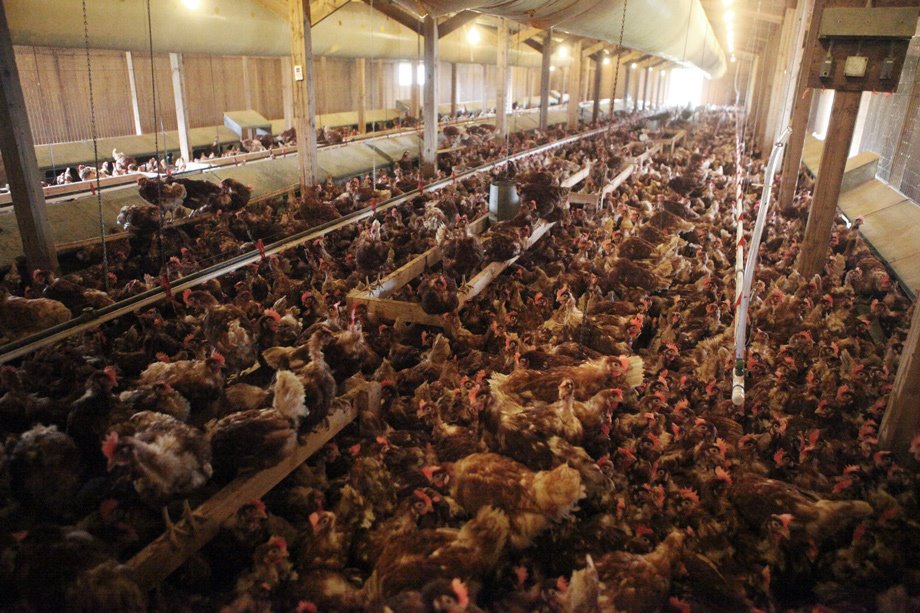
With less than 10 percent of the nation’s laying hens housed as “cage free,” it could take McDonald’s as long as 10 years to reach its goal of having 100 percent come from hens in what are known as “aviary systems.” Those allow chickens to move freely up and down tiers and among nesting areas inside barns.