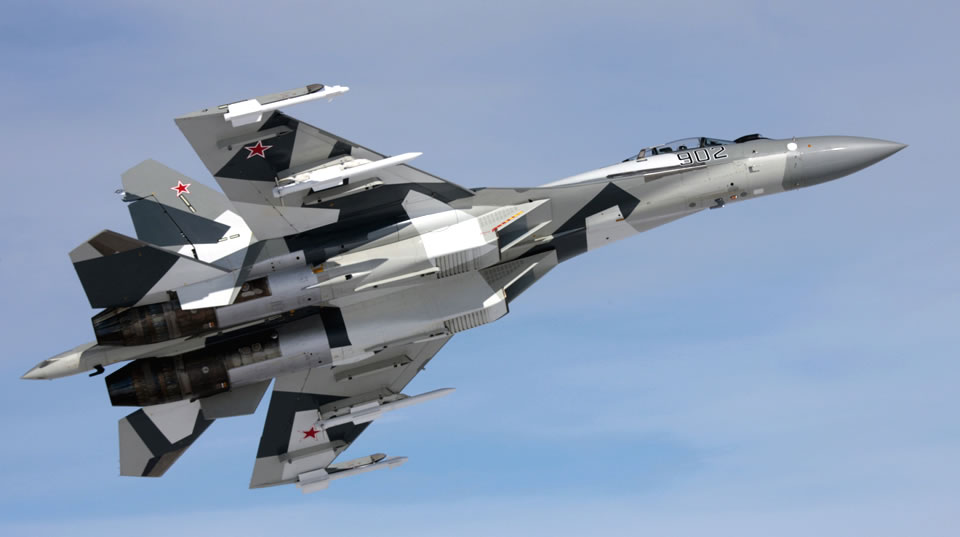
Volunteer armies, the French girl had said, the one who’d worn the plaid kilt at yesterday’s meeting, in an earlier PowerPoint presentation that Milgrim had found quite interesting, required volunteers, the bulk of them young men. Who might otherwise be, for instance, skateboarding, or at least wearing clothing suggestive of skateboarding. And male streetwear generally, over the past fifty years or so, she said, had been more heavily influenced by the design of military clothing than by anything else. The bulk of the underlying design code of the twenty-first-century male street was the code of the previous midcentury’s military wear, most of it American. The rest of it was work wear, most of that American as well, whose manufacture had coevolved with the manufacture of military clothing, sharing elements of the same design code, and team sportswear.
But now, according to the French girl, that had reversed itself. The military needed clothing that would appeal to those it needed to recruit. Every American service branch, she said, illustrating each with a PowerPoint slide, had its own distinctive pattern of camouflage. The Marine Corps, she said, had made quite a point of patenting theirs (up close, Milgrim had found it too jazzy).









 ?
?