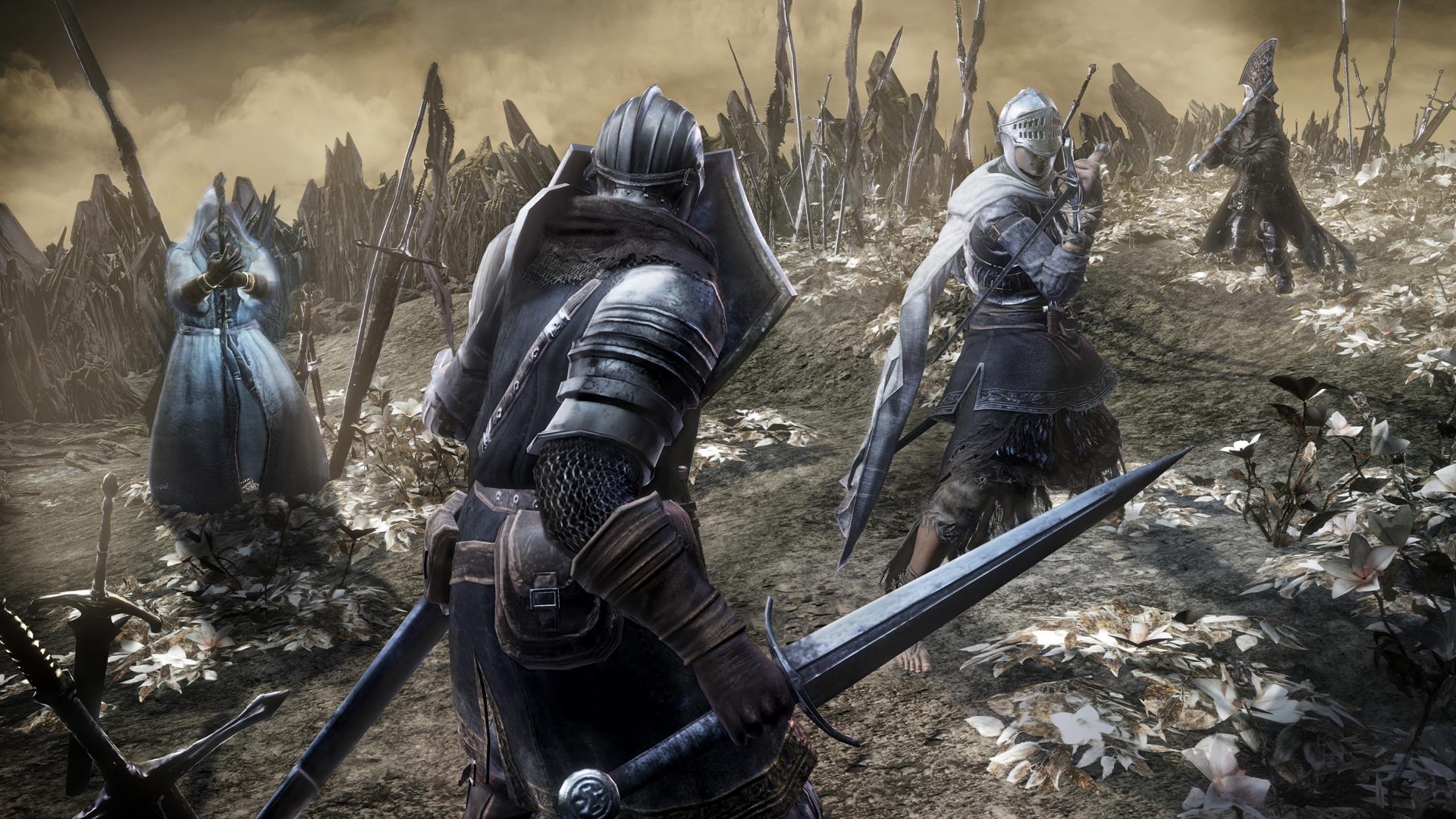
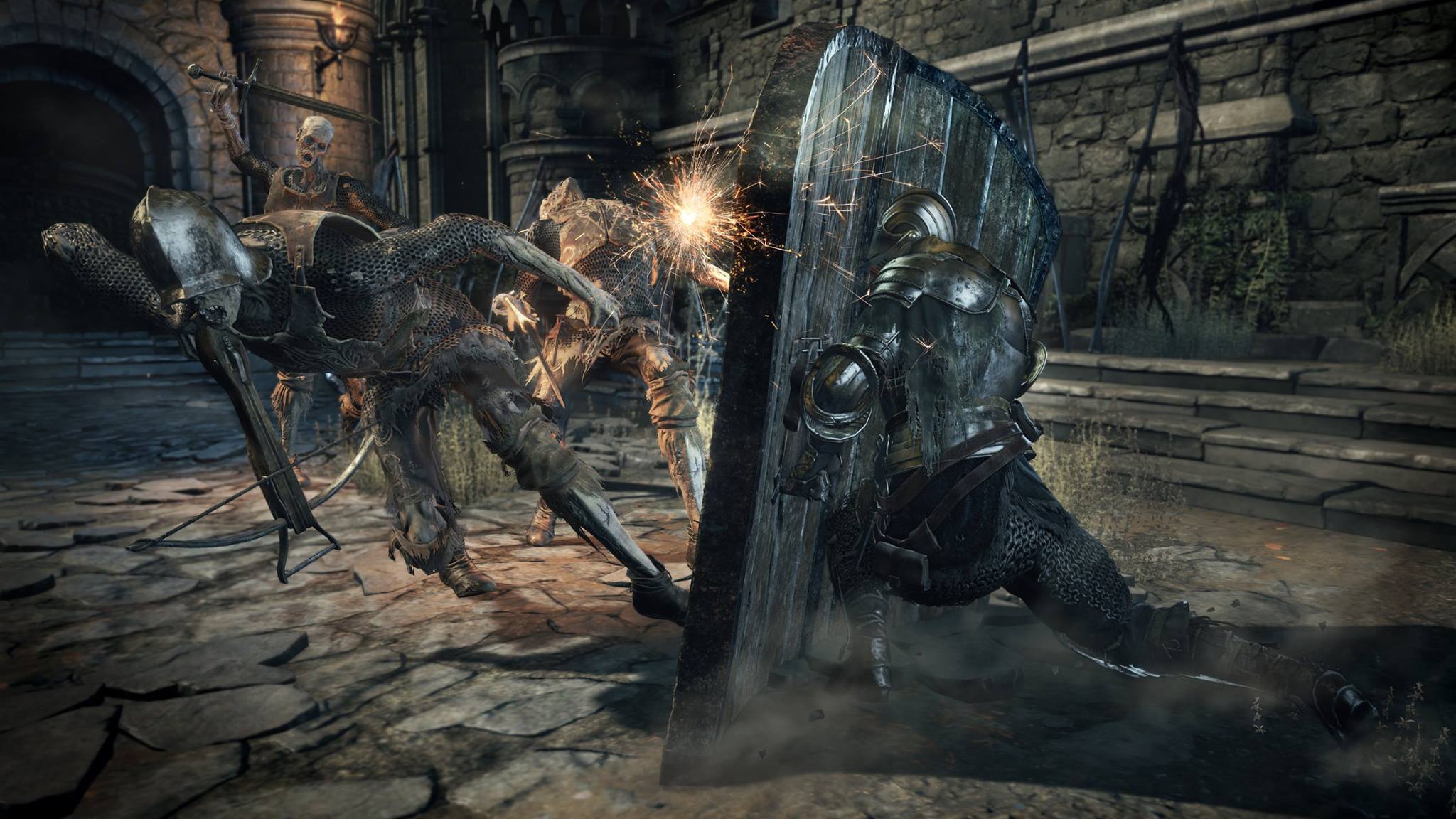
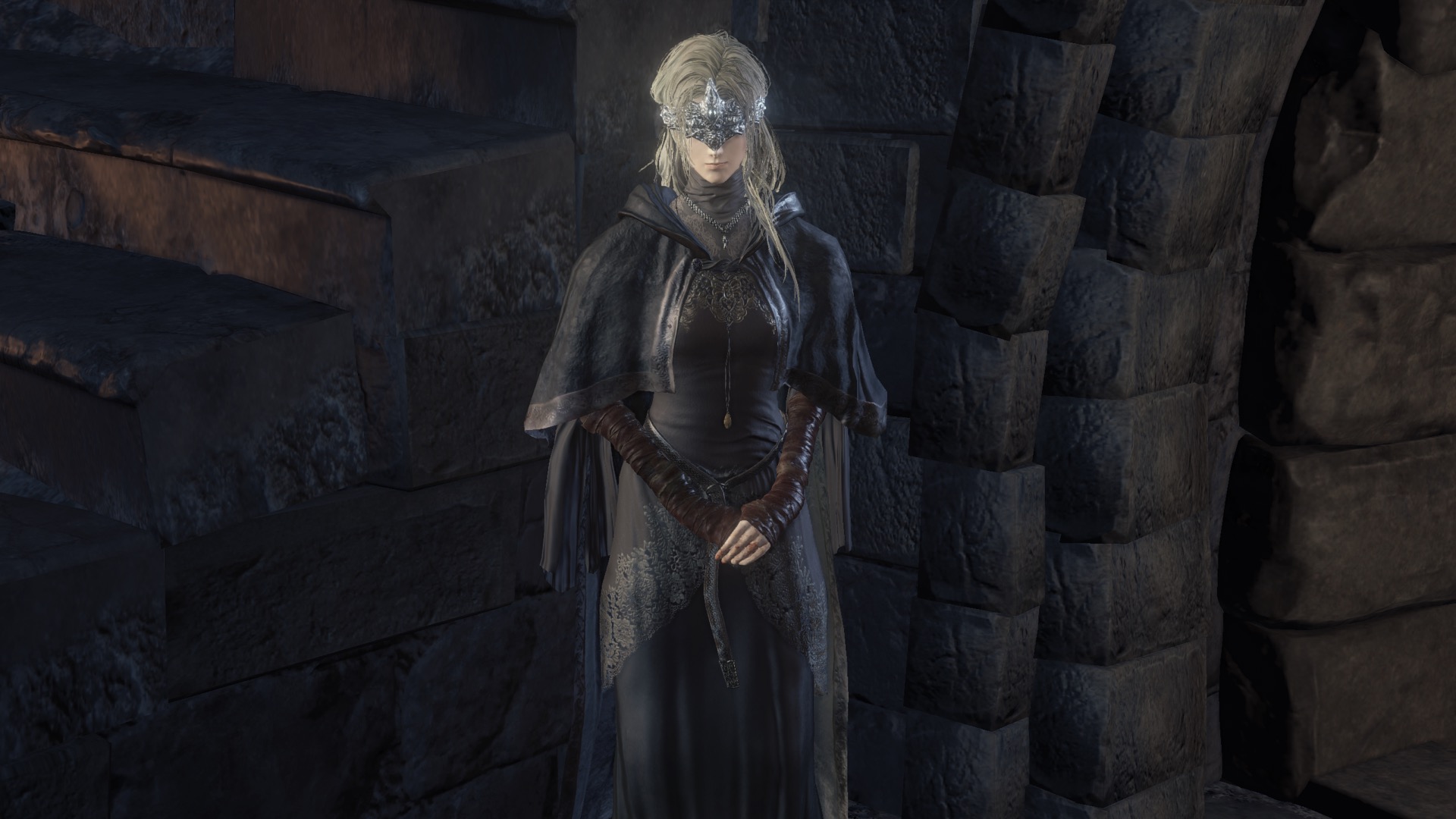
The souls games bring up the argument that you could count art direction too, if that is indeed a separate thing. It's kind of a combination of how the designers conceive the textures, lighting, and geometry to look before they actually make it all. The Souls games benefit from really inspired visions which makes up for their modest tech. Though I would only say "modest" because the Souls games seem to approach graphics in an older way reminiscent of earlier 3D games.
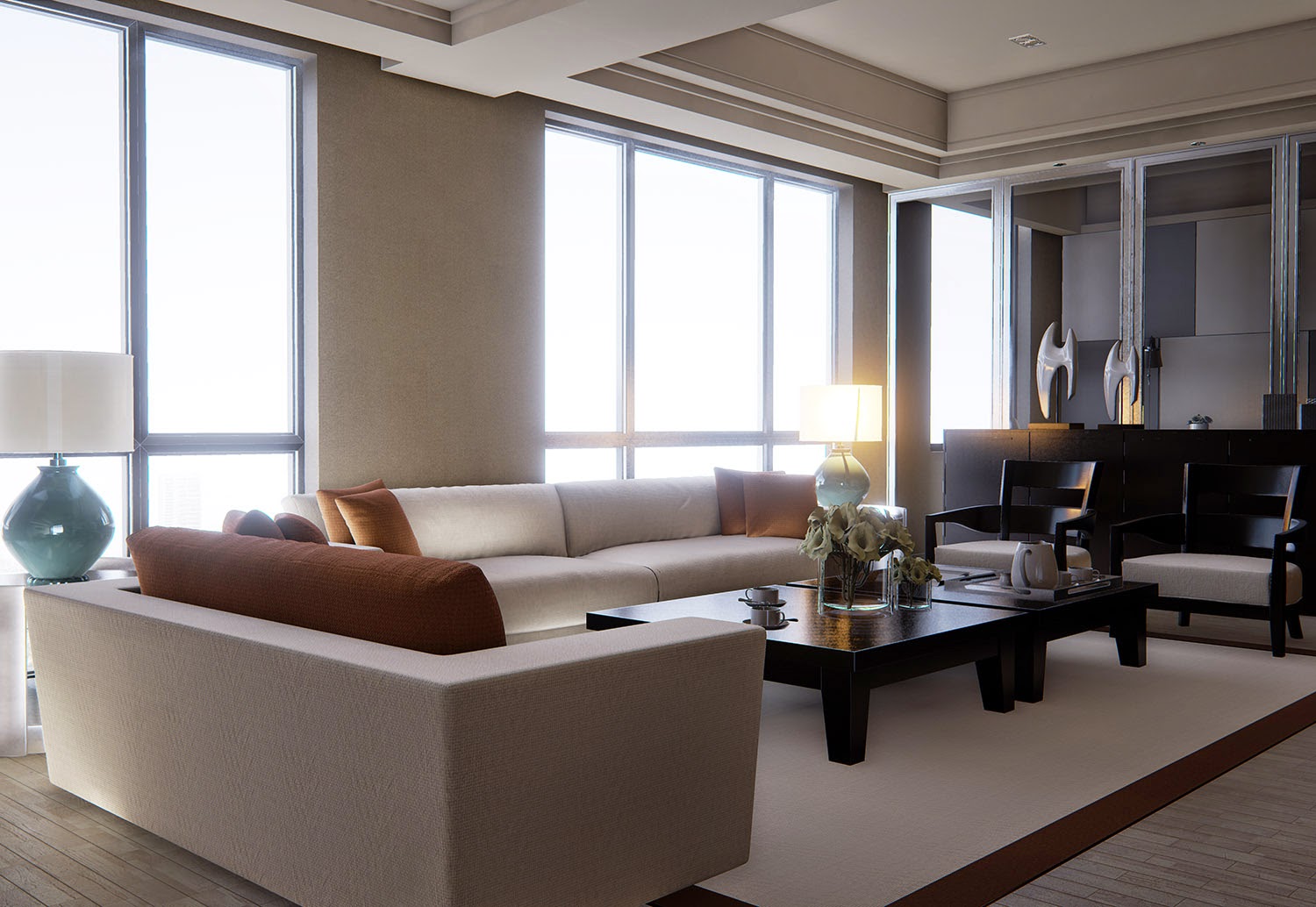
I think one reason we're all saying lighting is the most important thing in this thread is because lighting has been where the major advancements have been over the last decade. The biggest immediately recognizable difference between PS2-era and PS3-era games has been lighting -- shaders, more dynamic effects and all that. The leap from PS1 to PS2 however was mostly characterized by increased geometry. I've always thought the Souls games felt like they took a PS2-era approach to graphics. They tend to have more static lighting than western AAA games, chosen to evoke a very specific mood in each area. Dark Souls 3 and Bloodborne mostly use the power of current-gen machines to drop a lot more geometry on everything. It's as if those games are asking the question "what if game designers just kept adding more geometry instead of focusing so much on lighting?"
Still, there's a strong case for lighting being the most important. Personally, when I play a game from the late 90's, if it has art direction and lighting that still hold up, the whole thing still looks aesthetically pleasing to my eyes. I still like the look of games like Vagrant Story and Gran Turismo 2. Lighting mods like GTA IV look like a completely different game.









.jpg)