• Hey Guest. Check out your NeoGAF Wrapped 2025 results here!

Why does lighting make characters look so ugly in games?

cormack12

Gold Member
You spend ages customising your character, or even totally creating it and it looks cool. Cut scenes look decent, then you catch yourself in the open world and your character is like

24654896148_d89286350f_b.jpg


Why is lighting so bad at making your character look cool? Is it poor GI, no GI, bad lighting design etc.

Is this why Guerilla chose hero lighting and after the skepticism is it the way forward?
 
This reminds me of picking a car color in racing games. Gotta make sure you change the lighting/scene to make sure it looks good.
 
Shadowmaps are not very precise, unless you want to lose a lot of performance.
So the result can have missing details in shadows, and some artifacts.

Ideally we would have everything path traced, but that is very expensive.

The hero light is a very bad solution, as most of the time, it looks like characters are not part of the scene. The lighting makes it look like they were just copy and pasted into the game.
 
Also, most game devs don't know how to light a scene. They just place characters in a random place in the game, and that's it.
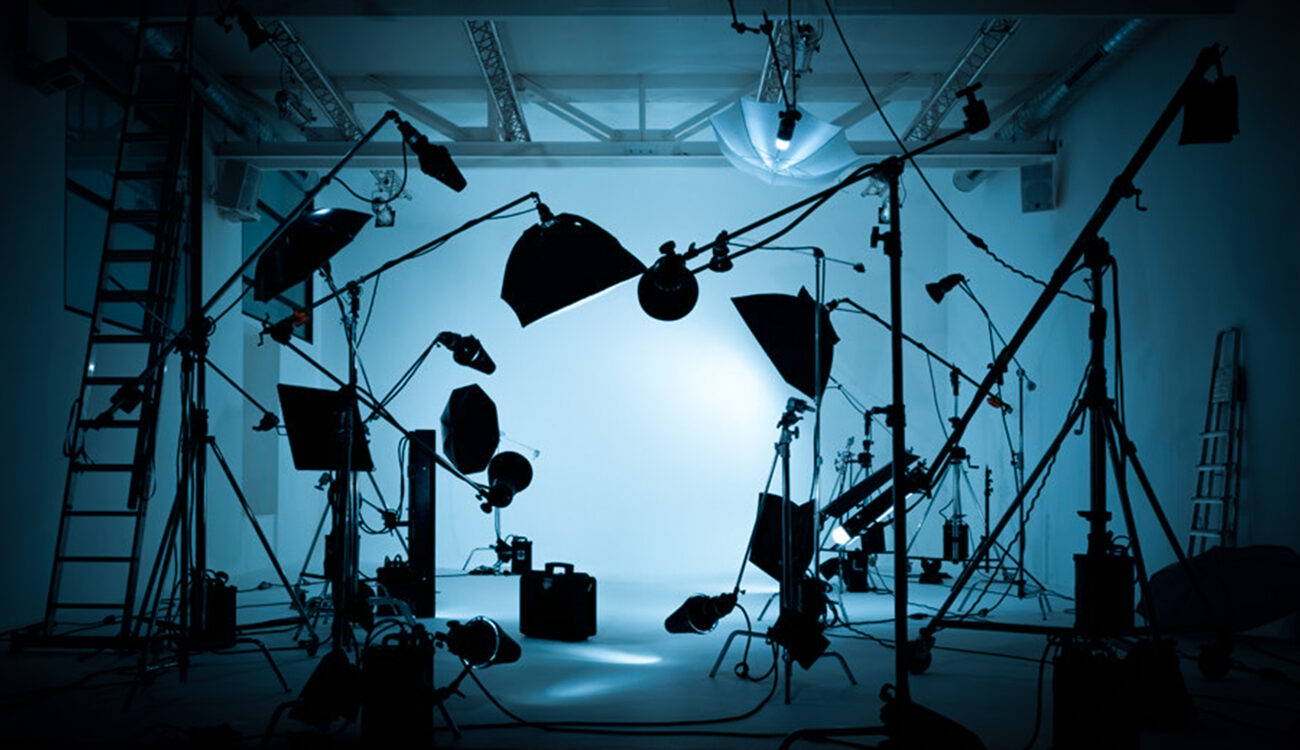
In cinema setting up the lighting takes a lot of time and effort. Be it using natural light and shadows or artificial light.

Here is an example.
 
I thought the lighting rig in hfw looked great. It made aloy look more like the quality you usually see in a cut scene. The criticism of her not looking like part of the scene; I understand what you are saying but the extent of that effect is something I have to get into someone else's head to see that way. In other words, I disagree.
 
Because it showcases the flaws in the model, when people are most impressed or think graphics are photorealistic its almost always in a dark environment or limited lighting. Lighting shows we are still not at pixar movie quality yet and have a ways to go.
 
In movies and tv the scene is actually lit by many different light sources.

You really can't do that in a game where you walk around in 3D even if you had the power to have that many lights at once.


film-lighting_featured-1300x750.jpg
 
Last edited:
Also, most game devs don't know how to light a scene. They just place characters in a random place in the game, and that's it.
In cinema setting up the lighting takes a lot of time and effort. Be it using natural light and shadows or artificial light.

Here is an example.


But that's not because game developers don't have anybody on staff who knows general Rembrandt lighting techniques; it's because they can't control it.

The reason movies take hours and sometimes days to shoot 5 minutes of footage is because they spend all that time perfecting all the details for what will happen in the blocked-out scene. Does the actress want a soft light for her features? Does somebody's complexion look better with an amber gel? Are there eyelights in place to put sparkle in when the hero turns towards camera? You've got to put all that stuff in the set if you want it in the shot.

In games, developers cannot control the hero because the gamer will make them do whatever they want to do. Gamers will break any lighting scheme you lay out for them, particularly if you also give players control of the camera. (For a long time, the best-looking games made use of the player not having influence over the camera, and 2.5D tends to be visually solid at the budget levels those games afford, but you rarely find a game these days where the player doesn't expect to be able to swing the camera 360-degrees whenever they want.) If a gamer wants to take a hero into the dark corner of a cavern because maybe there's a hidden item there, that dark area needs to somehow be lit enough for the player to be seen and for the detail of the cave wall be visible enough that players don't disorient themselves in the darkness. (Even eventual raytraced scenes will have to add fake lights in or have heroes "glow" so that darkness isn't ever pure darkness, because nobody likes playing games where you can't see anything even though some parts of a scene call for there to be no reason to see anything.)

As much as game design is trying to capture reality and cinematic visuals, the reality of game development (as with movies, photos, or many other visual artforms) is that you have to "fake reality" to an incredible degree in order to satisfy the end user to believe, "Yeah, this looks the way it's supposed to."
 
But that's not because game developers don't have anybody on staff who knows general Rembrandt lighting techniques; it's because they can't control it.

The reason movies take hours and sometimes days to shoot 5 minutes of footage is because they spend all that time perfecting all the details for what will happen in the blocked-out scene. Does the actress want a soft light for her features? Does somebody's complexion look better with an amber gel? Are there eyelights in place to put sparkle in when the hero turns towards camera? You've got to put all that stuff in the set if you want it in the shot.

In games, developers cannot control the hero because the gamer will make them do whatever they want to do. Gamers will break any lighting scheme you lay out for them, particularly if you also give players control of the camera. (For a long time, the best-looking games made use of the player not having influence over the camera, and 2.5D tends to be visually solid at the budget levels those games afford, but you rarely find a game these days where the player doesn't expect to be able to swing the camera 360-degrees whenever they want.) If a gamer wants to take a hero into the dark corner of a cavern because maybe there's a hidden item there, that dark area needs to somehow be lit enough for the player to be seen and for the detail of the cave wall be visible enough that players don't disorient themselves in the darkness. (Even eventual raytraced scenes will have to add fake lights in or have heroes "glow" so that darkness isn't ever pure darkness, because nobody likes playing games where you can't see anything even though some parts of a scene call for there to be no reason to see anything.)

As much as game design is trying to capture reality and cinematic visuals, the reality of game development (as with movies, photos, or many other visual artforms) is that you have to "fake reality" to an incredible degree in order to satisfy the end user to believe, "Yeah, this looks the way it's supposed to."
Exactly, CGI is made in a very controlled environment, you only see what they want you to see, they don't have to worry about game engine, AI, performance and game mechanics:
 
Last edited:
Final Fantasy 7 Remake is a great example of how to make you characters look good all the time even in different lighting scenarios.
 
Exactly, CGI is made in a very controlled environment, you only see what they want you to see, they don't have to worry about game engine, AI, performance and game mechanics:

It's funny, cutscenes are a "controlled environment" portion of games where they're not worrying about most of that stuff and they do control what you see, and yet we don't think of all the tricks used to make realtime cutscenes look as good as they do. People think that all the detail is swapped for better models and "higher quality graphics", and that does happen sometimes, but also, the developers are using their control to make their models look as good as they hoped they would be when they designed them.

I like to cite this Spider-Man Boundary Break where it shows the cutscenes from an omniscient viewpoint. These scenes which we think of as being "naturally" lit and staged on the game level are actually highly manipulated for maximum impact. Lighting switches on every cut, so that each character and object gets cinematic lighting to draw the eye where it should go. Also, objects and characters sometimes are moved around a scene to appear better in a shot, regardless of their placement in the wide shot or in gameplay. They're using cinematic techniques, staging these scenes like films shot with the game engine, and none of these tricks would naturally work once the player is back in control. (Well, few of these tricks would work; hero lighting on Aloy in H:FW is one of the interesting experiments with unnatural light sourcing for maximum character visibility and appeal, and there are other cases where there's for instance some light source or visual element always behind the player or baked into the textures or something like that.)


If it weren't for those meddling game players, this graphics work would always look this good. But alas, it all has to be "playable" and "fun" and "interactive", so instead games have to look like they do in play, blegh...
 
Last edited:
heh some games are getting that busy with effects and post processing (and other bullshit like numbers and health bars) now i'm having that problem sometimes even when a scene isn't dark ;)

I remember playing the Sewer area of Star Wars: Shadow of the Empire on N64, and this was back in the bows-and-arrows days of 3D game development so the developers only have so much control over "lighting" plus hadn't really come up with solutions/tricks for how these dark areas should work when encountered by players, and so some areas of that map were dark. And I remember getting into a corner of a cavern, and I couldn't see my character, and I couldn't see the walls in front of me, and I couldn't see my way back behind me (because also, remember, the fog...), and I would move around in the darkness down there and sometimes see a texture pass in front of my view and it looked different from another texture (albeit on the blurry 128x6 textures on N64, not really?) and wonder to myself if I was moving forward or just spinning around...

And at that moment, I was very afraid for this new future gaming that was going to almost all 3D. You never had a hard time seeing where Mega Man was on the screen in his games...

shadows-of-the-empire-sewer.jpg


Luckily, developers figured all that stuff out. Mostly...
 
Last edited:
I remember playing the Sewer area of Star Wars: Shadow of the Empire on N64, and this was back in the bows-and-arrows days of 3D game development so the developers only have so much control over "lighting" plus hadn't really come up with solutions/tricks for how these dark areas should work when encountered by players, and so some areas of that map were dark. And I remember getting into a corner of a cavern, and I couldn't see my character, and I couldn't see the walls in front of me, and I couldn't see my way back behind me (because also, remember, the fog...), and I would move around in the darkness down there and sometimes see a texture pass in front of my view and it looked different from another texture (albeit on the blurry 128x6 textures on N64, not really?) and wonder to myself if I was moving forward or just spinning around...

And at that moment, I was very afraid for this new future gaming that was going to almost all 3D. You never had a hard time seeing where Mega Man was on the screen in his games...

shadows-of-the-empire-sewer.jpg


Luckily, developers figured all that stuff out. Mostly...
Dark souls tomb of the giants area is another older game/area where you couldn't see a god damn thing even with the torch. Actually that game had some other areas that were almost as bad, not sure if it was a tech issue or game design but not being able to see whats going on doesn't really make it hard/challenging, it's closer to rage quit territory.
 
Dark souls tomb of the giants area is another older game/area where you couldn't see a god damn thing even with the torch. Actually that game had some other areas that were almost as bad, not sure if it was a tech issue or game design but not being able to see whats going on doesn't really make it hard/challenging, it's closer to rage quit territory.

Yep, it's an obnoxious obtrusion of realistic circumstances; games are supposed to be fun and captivating, not annoying and opaque.

Cinema actually had a run of darkness "ruining" dark scenes. In the old days, they just lit caverns like cathedrals, but in the '70s, low-rent indie filmmaking and other factors led moviemakers to sometimes shoot darkness as it was and assume either the viewer would still get what they needed from the scene or the dialog would carry through to a better-lit scene. Eventually filmstocks and affordable lighting systems improved, plus filmmakers discovered the "blue-for-night" trick (exemplified by James Cameron's Aliens and T2,) and we got less of this problem when it mattered. Some films/shows are still bloody dark to gaze at, but as the Game of Thrones cinematographer once claimed, "Everything we wanted people to see is there."
 
You spend ages customising your character, or even totally creating it and it looks cool. Cut scenes look decent, then you catch yourself in the open world and your character is like

24654896148_d89286350f_b.jpg


Why is lighting so bad at making your character look cool? Is it poor GI, no GI, bad lighting design etc.

Is this why Guerilla chose hero lighting and after the skepticism is it the way forward?
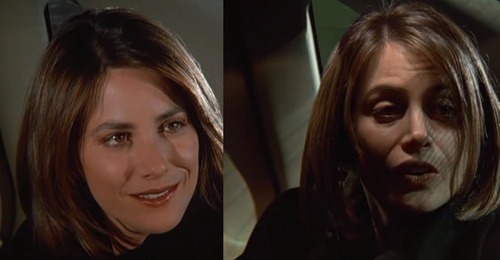
Worse shading during gameplay.
 
Yep, it's an obnoxious obtrusion of realistic circumstances; games are supposed to be fun and captivating, not annoying and opaque.

Cinema actually had a run of darkness "ruining" dark scenes. In the old days, they just lit caverns like cathedrals, but in the '70s, low-rent indie filmmaking and other factors led moviemakers to sometimes shoot darkness as it was and assume either the viewer would still get what they needed from the scene or the dialog would carry through to a better-lit scene. Eventually filmstocks and affordable lighting systems improved, plus filmmakers discovered the "blue-for-night" trick (exemplified by James Cameron's Aliens and T2,) and we got less of this problem when it mattered. Some films/shows are still bloody dark to gaze at, but as the Game of Thrones cinematographer once claimed, "Everything we wanted people to see is there."
Horror movies has been my genre since being a kid, and this has actually been happening again the last few years. It's frustrating because being older now my eyes arn't good enough anymore to handle really dark scenes especially if they decide to throw in a billion jump cuts. I watched Antlers a while back and the ending is in a mine/cave and only lit with a red flare and hardly a continuous shot lasting more than 4 or 5 seconds, my eyes were tearing up by the end and it wasn't because i was emotional. It's why found footage movies never worked for me, hard to give a shit whats goin on when you can barely see a thing except a torch lighting the ground up here and there or a face. Jeruzalem and as above so below took it to frustrating levels, I get it's a budget thing at times but i'd rather be able to see some dodgey practical/cg effects than close to nothing at all.
 
How cutscene and lighting work with RE4 , as you can see its not that much diff from movie , they tried their best to make the characters face look good with fake light n shit .

 
One way to partially fix It is using the Hero light, Witch by the way I hate since it makes the characters look out of place.
 
But that's not because game developers don't have anybody on staff who knows general Rembrandt lighting techniques; it's because they can't control it.

The reason movies take hours and sometimes days to shoot 5 minutes of footage is because they spend all that time perfecting all the details for what will happen in the blocked-out scene. Does the actress want a soft light for her features? Does somebody's complexion look better with an amber gel? Are there eyelights in place to put sparkle in when the hero turns towards camera? You've got to put all that stuff in the set if you want it in the shot.

In games, developers cannot control the hero because the gamer will make them do whatever they want to do. Gamers will break any lighting scheme you lay out for them, particularly if you also give players control of the camera. (For a long time, the best-looking games made use of the player not having influence over the camera, and 2.5D tends to be visually solid at the budget levels those games afford, but you rarely find a game these days where the player doesn't expect to be able to swing the camera 360-degrees whenever they want.) If a gamer wants to take a hero into the dark corner of a cavern because maybe there's a hidden item there, that dark area needs to somehow be lit enough for the player to be seen and for the detail of the cave wall be visible enough that players don't disorient themselves in the darkness. (Even eventual raytraced scenes will have to add fake lights in or have heroes "glow" so that darkness isn't ever pure darkness, because nobody likes playing games where you can't see anything even though some parts of a scene call for there to be no reason to see anything.)

As much as game design is trying to capture reality and cinematic visuals, the reality of game development (as with movies, photos, or many other visual artforms) is that you have to "fake reality" to an incredible degree in order to satisfy the end user to believe, "Yeah, this looks the way it's supposed to."

While the player is in control of the character, it's more difficult to control where he places the character in relation to source lights. But the devs still control where the light is in a room.
And when it is a cutscene, then the devs have full control of everything.
 
Top Bottom