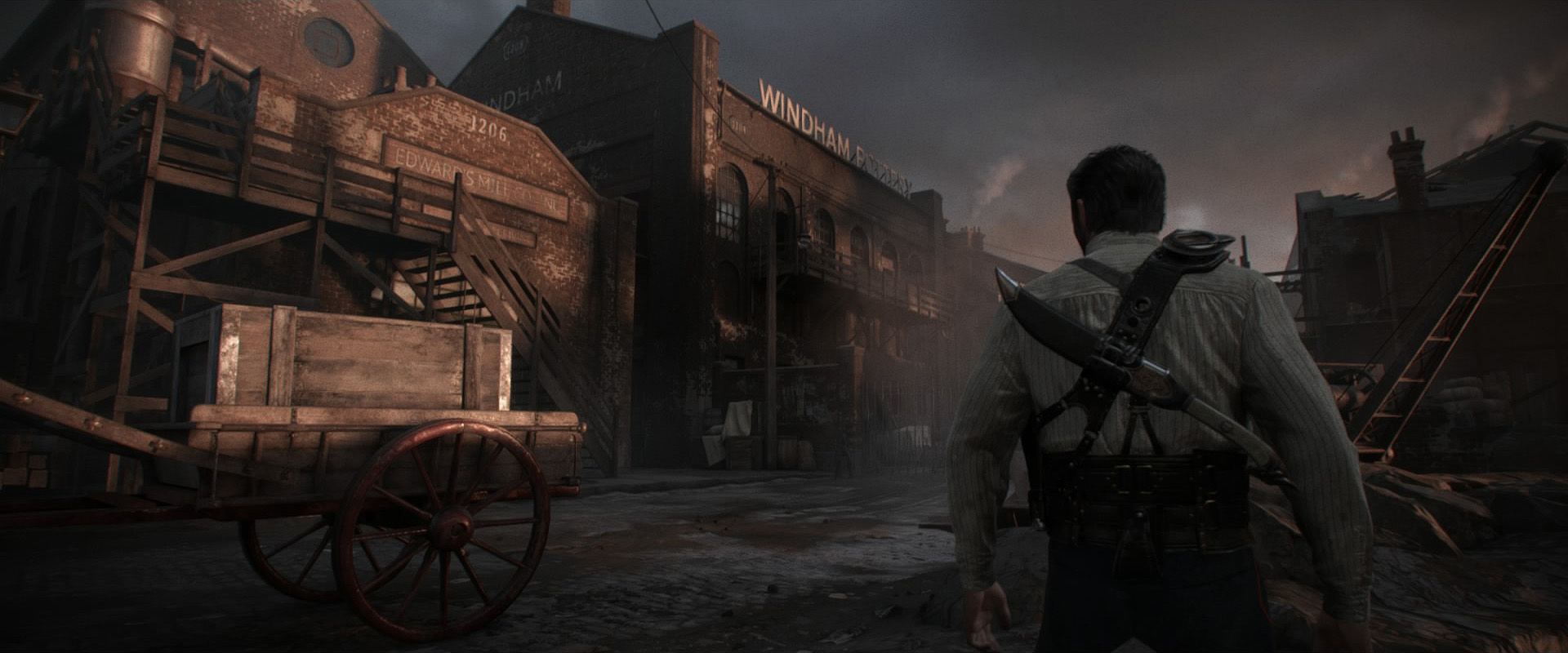
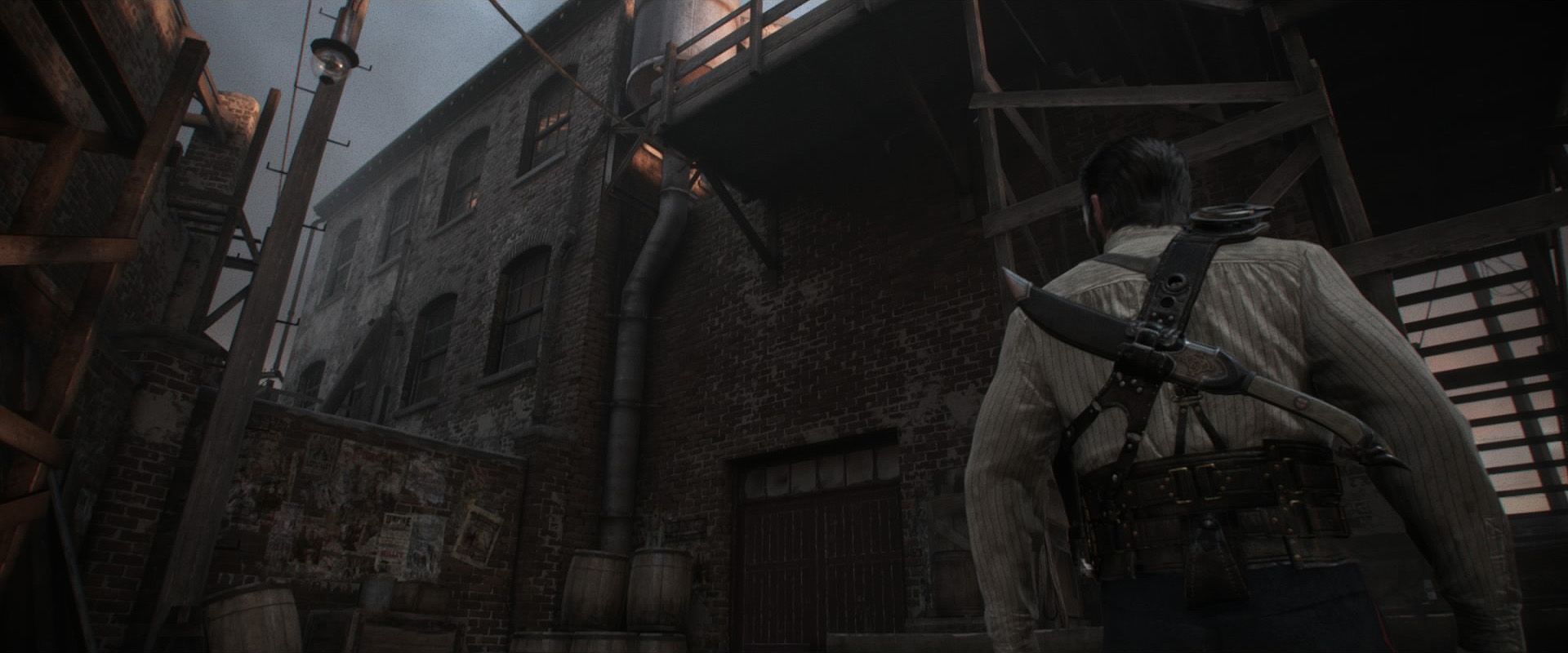
If you take away the film grain, the beautiful image you imagine without the film grain won't be so beautiful anymore, especially because of temporal aliasing. Sure, screenshots will look nicer but the actual game won't. Film grain really helps in hiding a lot of that stuff by taking your attention away from them. Human eyes and brains have evolved to notice change in our perception (which is why contrast is more important than color accuracy in most cases) and film grain, by moving around a lot, really helps distracting you from imperfections.
...
It is unreasonable to ask for options in console games since that's what makes them console games, simplicity. Take Mac vs Linux for an example. Linux provides tons of options while Macs provide good out of the box experience. In the end, a system with Linux kernel and customized environment is the most optimal solution, but there's a reason why a standardized, non-customizable environment like Macs appeal to lots of people.
In the end, I think a lot of people are against "film" grain because of the word "film" is not very popular right now in the video gaming world. Even if film grain never existed in actual movies, the effect would help more than hinder in video games if used right unless you have enough power for super AA and downsampling.
Thanks for the input, man.
I can't really think of a game off the top of my head where turning the grain off didn't actually produce an overall better image for me. The primary reason for this comes from the initial condition: that looking at a bunch of scrapes, dots, smears, or whatever the noise is (it varies) is a worse "blemish" than seeing the detail that leads to the "seams" of the game. You may be right -- it's hiding stuff you would rather not see. But from where I stand, it's like covering dirt on snow with piss. I'll take the dirt. My attention is diverted to, well, the noise. It's not a win-win.
As for being unreasonable for console games -- I don't know. It's not an effect that is difficult to program in (I've done it myself, with one approach), and there have certainly been games that give users control over some aspects (edit: I'm going to say I actually agree with you here after thinking about it a little more. It's not reasonable to expect every developer to pull a Naughty Dog on technical features). I'll agree that it's not frequent, and as a hard-line requirement, it probably wouldn't happen. But, you know, it definitely won't happen if people don't whine about it, I guess lol.
You may be right about why people don't like film grain. As a technique for achieving a look where it makes sense, I am not opposed to it. But I don't feel that it makes that much sense to cover the entire screen in imperfections to make up for... imperfections. Temporal anti-aliasing seems like it covers enough cases for other things. When quick movements are occuring, I still notice noise all over the place.
I do think it's the case that I may be more sensitive to it than other people. Totally possible. Either way, thanks for comments. You do make a good technical case for why it can be employed successfully, I just think that if you start from the proposition that "noise is annoying", it doesn't make up for what it fixes.