Roger Ebert's a great guy and a titan in the world of film but he's sadly always been ignorant on this subject. It's probably a little late for him to see the light at this point, although I wish he would stop trying to double-down on it given his own demonstrable lack of knowledge about gaming; it's just going to be embarrassing to read this stuff in ten or twenty years in between his actual insights about movies.
The parallels between film and gaming in this manner are so stark it's really kind of incredible to me that educated and informed people like Ebert can miss them. American film in the prewar era rarely developed from the singular focus of an auteur, was often developed as disposable content driven purely by commercial concerns full of pandering and generic material, was held back by overly restrictive content standards and a crippling studio system...
Vinci said:
A word without definition, or one so in flux as to include anything ever, is worthless.
Your position here is essentially equivalent to that of someone who sets down a position that salty snacks, pre-processed sugar treats, candy, etc. are not "food" because once you allow them to be considered "food" the word becomes so "broad" that it "loses all meaning."
Like, no shit the word food has a broad meaning. That's because it's a word whose purpose is to categorically describe
the entirety of non-liquid substances which people consume using their mouths. Some people may have interest in redefining it into a judgmental word that only refers to things that meet some quality standard, but that's ultimately just not what the word
means
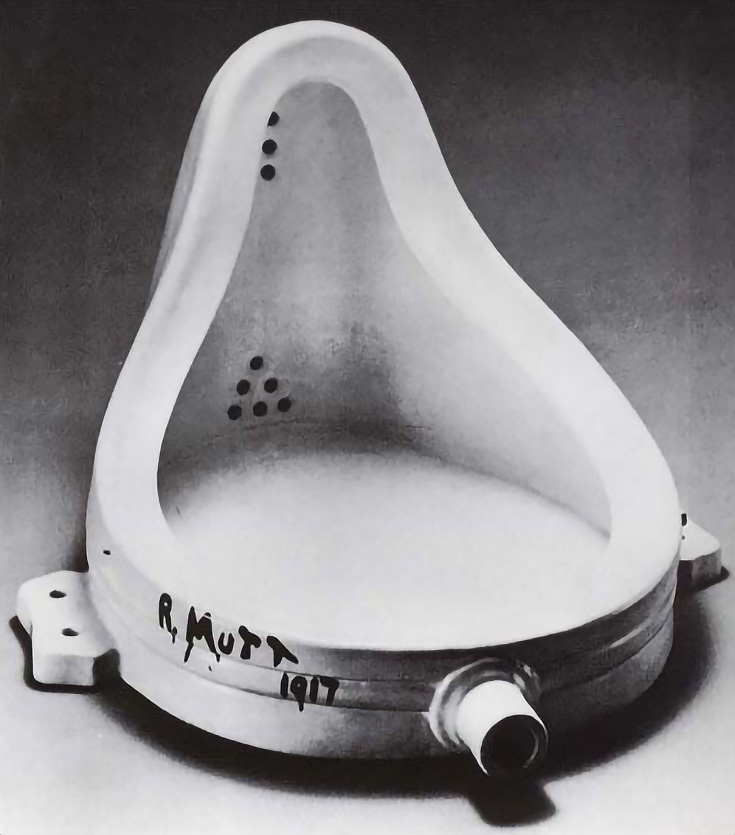
Art is really the same way. Yes, it's a broad word -- that's because it's a categorical description of
all creative works created to provide edification, aesthetic enjoyment, or any of a variety of other experiences to those who consume them. People try to make it, too, into a word of judgment -- if a specific work meets some arbitrary and capricious standard then it gets to "be" art -- but that's nonsensical and doesn't even fit with how people normally use the word. If that were the case, how can there be "bad art"? How can controversial works ever be showcased when tastemakers (apparently) disagree whether they even qualify as art? How can people study "art history" rather than "art and bad things that aren't art history"?
The idea that someone can look at a piece and make a subjective judgment of whether it's art based on
whether theylike it is ridiculous. Despite his goofy position about games, Ebert still doesn't make this particular mistake about bad movies.