Allow me to make some recommendations as taught to me by my father. Please note, I'm talking about single malt scotch, derived from a single distillery, produced over a certain short period of time. This is unlike the blended scotch, such as Johnny Walker, Chivas Regal, and others, which are blends, and consist of two or more distillery products added to one batch. Until recently, most Americans drank only blended scotch whisky, and Johnny Walker Black Label was the most prevalent.
I'm also not talking about scotch from countries other than Scotland. Canada, US, Japan, Ireland and Germany are also in the scotch distilling business, although not to the refinement of those found in Scotland. The Japanese are quite proud of their product, distilled in the high mountains of Hokkaido, but when placed next to the best of Scotland, they don't stand a chance of selection.
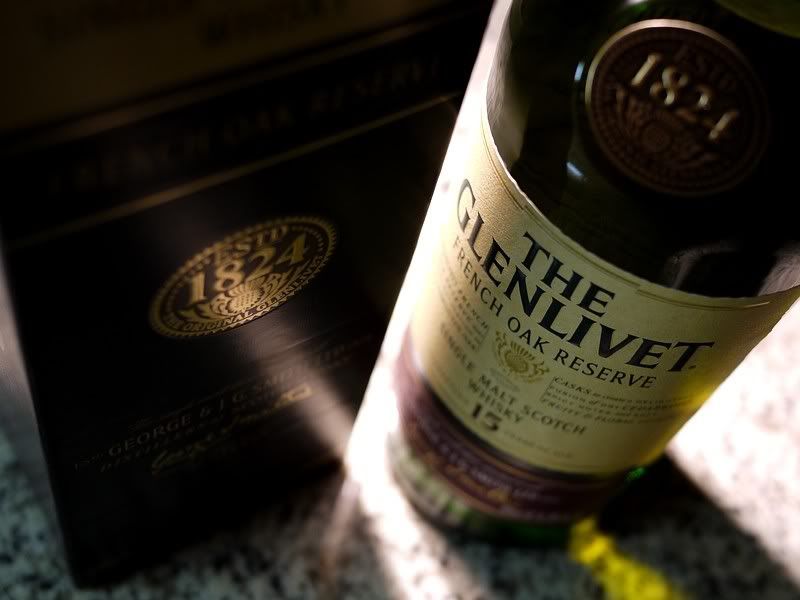
You need, at a minimum, at least 4 different scotch selections, to get a taste of around the Scottish Isles. To start with, and especially for the newbie drinker, start with a Speyside (also called Highland, from the area of distilleries in the higher hills of north central Scotland) such as Glenlivet. It is the most popular single malt scotch sold in the US. It's quite mild, smooth and platable. The highland distilleries are the most numerous - I have counted over 76 different that lay claim to that area.
The next area you might want to have is from the lowlands, around the city of Campleton, the best being Springbank. It's what I call the "ladies scotch", since it is quite tame and mild - it is to single malt scotch what Bud Light is to real beer.
After this, go to the Western Highlands, Oban comes to mind as the best. There are not a lot of distilleries located here, at least which put out sufficient quantities to be imported with any volume. If you look at a topographical map of Scotland, you'll notice that this is the most remote part of the country - the islands surrounding mainland Scotland are easier to get to than here. There is very little rail or road network. Most of the scotch distilled here is for local consumption only. Oban happens to be distilled in a town close to the sea, and most scotch is moved around via small boat/freighter. It has a distinct flavor, not similar to any other local.
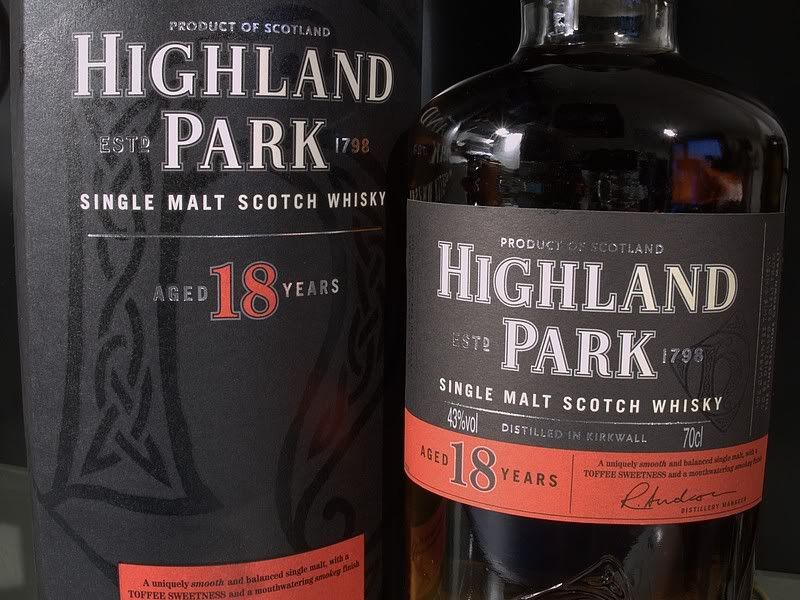
Now you must have your fourth choice - that from the Scottish Isles. There are 5 major islands which support one or more distilleries - Isley being the most productive with 7 distilleries located on an island of about 400 square miles - 20 X 20 essentially. Three of the distilleries produce a distinctive, peaty flavored scotch, mild in comparison with the other 4 also located here. Bowmore, Bruichladdich and Bunnahabhain are all drinkable, with a little bit of training. They do need a bit of getting used to, but buy and large are drinkable by those who like scotch, and have a history of consumption. Jura, from the island of Jura, is similar to Highland Park, my favorite, and Jura is a bit less expensive.
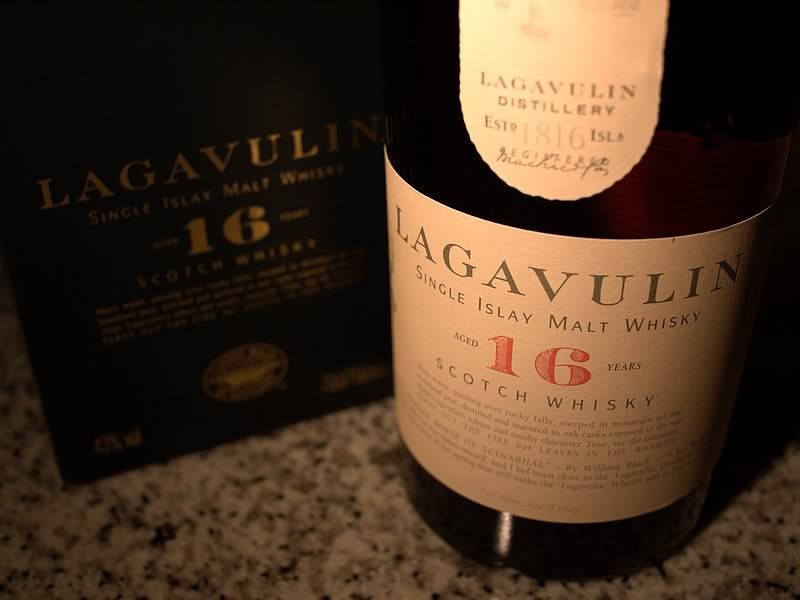
Now we move into the territory which only the dedicated, and strong of constitution, fear naught to tread. The Ardbeg, Caol Ila, Lagavulin, and Laphroaig from Isley, and Talisker from Skye, are a world apart from anything else your have tried. You should have at least one of these on your shelf, if only to punish yourself for being bad. These scotch take a lot of getting used to. Drink them only with strong food. They are not to be used as dessert wines. Do not share them with neophytes - who will hate you forever and never trust you again if you sneak a dram or two to them without warning. These are overly smokey from peat, and doused with the ocean salt wind spray which seethes over their sleeping casks for 8 to 12 years.
All of these distilleries are located right on the edge of the ocean surrounding the waters off Scotland, and since trees don't grow on these islands, the fuel for their distilling consists of centuries old peat.
One final thing about the ageing of scotch. Don't fall for the sales pitch that the older the scotch, the better and subsequently, the more expensive. Scotch seems to be best when aged between 12 to 18 years. A lot of variables here, and 18 year old scotch from one distillery may not equal the quality of a 12 year old from another. It simply becomes a matter of personal taste.
Try the different ages from the same distillery together, by yourself, along with some mild crackers to clear the palate. Doing this with others accompanying you is distracting from the matter at hand, determining which you like versus the price you have to pay $60 versus $90 I think was the price variable - is the $30 worth the extra 6 years of ageing? Only you can make that determination.
There are those you are willing to pay big bucks for 24 year and older scotch, but seldom have I heard there was really a big increase in pleasure. Keep in mind how scotch is aged. Once the distilling process is completed, it's dumped into 50 gallon wooden kegs purchased from American whiskey makers such as Jack Daniels or Jim Beam, along with a select few distilleries using Spanish wine or port casks. The oak in these casks imparts the color and much resin flavors to the scotch, unique in their application by distillery. Now these casks will store the scotch until such time as the product is to be sold, whereupon it is transferred out of the cask and bottled. Scotch no longer ages when bottled. There is nothing in glass which imparts further flavors. However, it is in the wooden casks that magic happens, if the master distiller has his act together. While the wood is tightly sealed, wood is porous, and the whisky begins to evaporate out of the wood. It exchanges it's vapor with the air surrounding the storage sheds, and it is from this windswept, salty sea air that imparts the iodine flavoring in the island malts especially. The liquid that vaporizes and squeezes out through the wood pores is called the "angel's share" and is quite noticeable by even the untrained who approach the storage sheds. It's much like sensing a bakery in full swing of developing donuts or muffins before you even open the door.
Now the longer the whisky is kept in the cask, the more of the resins are given up by the wood and transferred into the liquid. This is good. However, the downside to ageing is that more and more of the liquid vaporizes - the angels love 18 and 24 year old scotch. What started out as 50 gallons may now be down to 46 or so. The longer the age, the less liquid is available for dispensing. In addition, the longer the age, the more activity involved in storage - the casks must be turned occasionally, and sampled as the ageing develops closer to the desired end flavor. In addition, the ageing stock is often used as collateral to the banker which floats the payments for the workers. So you can see why older scotch costs more. Most scotch starts to turn musty and flat after a certain age, influenced often by the quality of the wooden cask. There are only a certain amount of resins or cogeners in the oak, and once they are drawn out, there is not much reason to let the whisky sit. A master distiller can look at the outside of the cask and tell when the scotch is ready to pour. The longer the age, the darker the outside of the wood. The scotch literally seeps throughout the wood pores, and when exposed to the outside air on the cask, it turns sharply - like a mildew.