"It completely changed the characteristics of how those two pieces of silicon are bonded together and how they were stacked together, and so when that first-gen facility really kind of went offline, then it meant there was a whole, you know, body of engineering work that had to be done to understand if we could even migrate the 5800X3D to the new, second-generation stacking process," McAfee said.
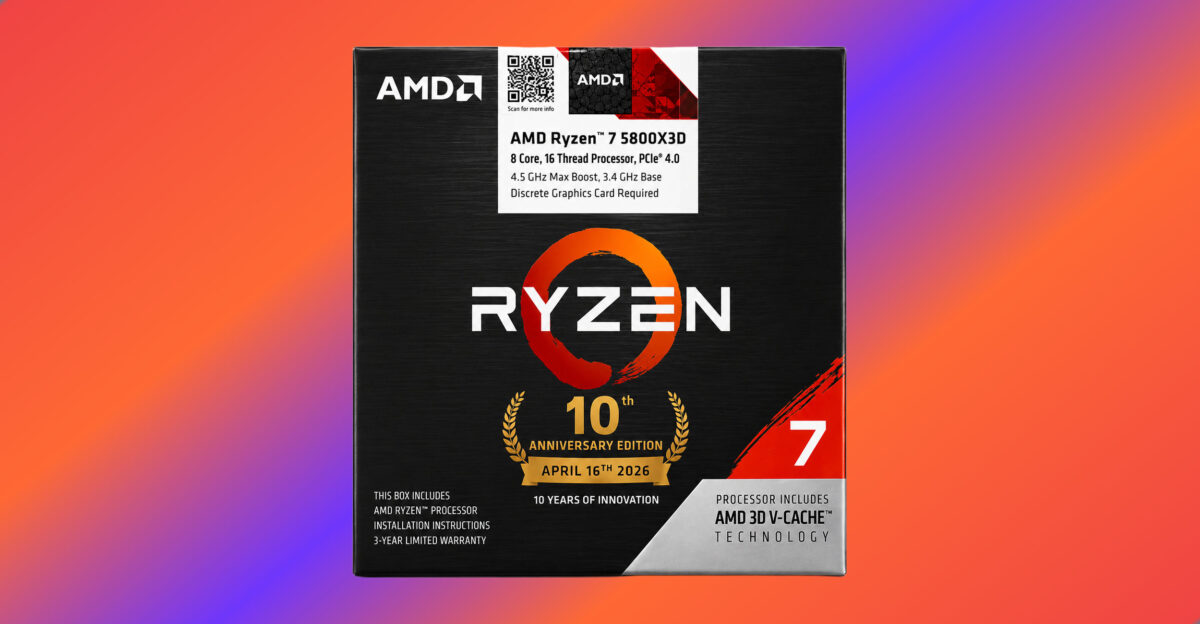
It's possible that AMD intended to bring back the Ryzen 7 5800X3D sooner, though McAfee stopped short of saying that outright. The shift in packaging helps explain the Ryzen 7 5800X3D's (and eventually the 5700X3D's) absence from the market. The chip has seen spotty availability over the past two years, and it's been completely sold out over the past year, with resellers demanding as much as $800 on the secondhand market.
"That's been a lot of the work that's kind of been going on in the background to get us to where we are today, is redoing the qualification of that stacking process, building samples, testing to make sure that the reliability is top notch for consumers who might want to buy this product, and then, you know, kind of rolling it out and ramping it into production again in a new process of stacking those dies together," McAfee told Tom's Hardware.








 .
.