Micron, supplier of DDR6x chips, said it's 12GB for the high end model.
Surely they would know if modules that they supply are 2GB each or not.
With 4K targeting consoles being at 16GB (and that includes OS and code),what would be the point of going 24GB?
Among other things, it would increase power consumption, something that already look problematic with Ampere.
It isn't cheap either. And it consumes quite a bit of power too.
So RDNA2 GPUs will not match Ampere high end 3090. Who's surprised?
Can people get some basic understanding of stuff, before bitching please?
Moving from 28nm budget starved AMD got to a point when they could not afford developing GPUs (!!!). (20nm fluke likely hit them hard too, as they notoriously embrace new processes first). It was one arch for compute and gaming and even then, there was no money to try things (remember, how Volta never turned into a gaming GPU?)
Vega sucked at gaming. Even on 7nm, 330mm2 chip with expensive HBM memory struggled to show performance.
And then came Navi, 250mm chips, worse RAM, performance close to 330mm2 => a major leap forward. Oh, and major jump in perf/watt too.
Reasons?
1) AMD GPU R&D is still small compared to the green/blue, but by AMDs standards they are properly funded.
2) RDNA + CDNA split (Gaming / Compute)
It was surprising how quickly it came.
Now let's compare Navi to Turing:
1) perf/transistor parity (curiously, even CU vs CU)
2) per/watt parity (which means AMD is behind, as it is 7nm DUV (early crap) vs "12nm", mature, but not really 12nm process). That was acknowledged by Dr Su, so RDNA2 aims to have 50% improvement over RDNA1 (some of it will naturally come from 7nm EUV vs DUV
And now to that abstract 3090 thing, and "they couldn't beat" cretinism:
which goddamn idiot expected 250mm2 NAVI cards to beat 754mm2 Turing? Fucking size does fucking matter, across the board comparisons are nonsensical. And "oh, but I don't care" only matters if you don't care about price, which is not the case even for those in this thread, who claim it (they'd be wielding that other obnoxiously priced thing with MSRP of $2.500 GPU and not $1.200 one)
Rumors put AMD's biggest RDNA2 card at 505mm2. That should produce cards priced quite beyond $500, but not $1k+ ones. Which is where 99% of the gamers are.
Oh, and if NVidia rolls out even bigger GPUs, priced $1k+, so what? If the cheaperst card is $900 and called 3070Ti, so what? Will things change at all, if price is the same, but they call it 3060, does what does that change? Nothing, besides what some silly kids can use in silly arguments.
And now to 'Ampere vs Big Navi'.
2080Ti is about 36 to 46% (depending on resolution) faster than 5700XT, 250mm2 chip on 7nm DUV with 36CUs.
Why would chip double the size on superior process (7nm EUV) perform worse?
Power consumption? XSeX has 52CU one, Sony can push 36CU one beyond 2Ghz in a console.
Add to it Samsung 8nm used by nvidia being in fact slightly better 10nm.
And the fact that TSMC 7nm rocks.
By the way, I remember we expected Ampere this Spring, what happened to that?
Performance expectations could be laid out in terms of performance vs 2080Ti.
505mm2 "Big Navi" (some rumors put it at 485mm2) should be able to comfortably beat 2080Ti (20%-50% faster, depending on how much arch improvements they actually bring) and be in "under $1k" price category.
What NV releases beyond that, should not matter to 99% of the gamers.







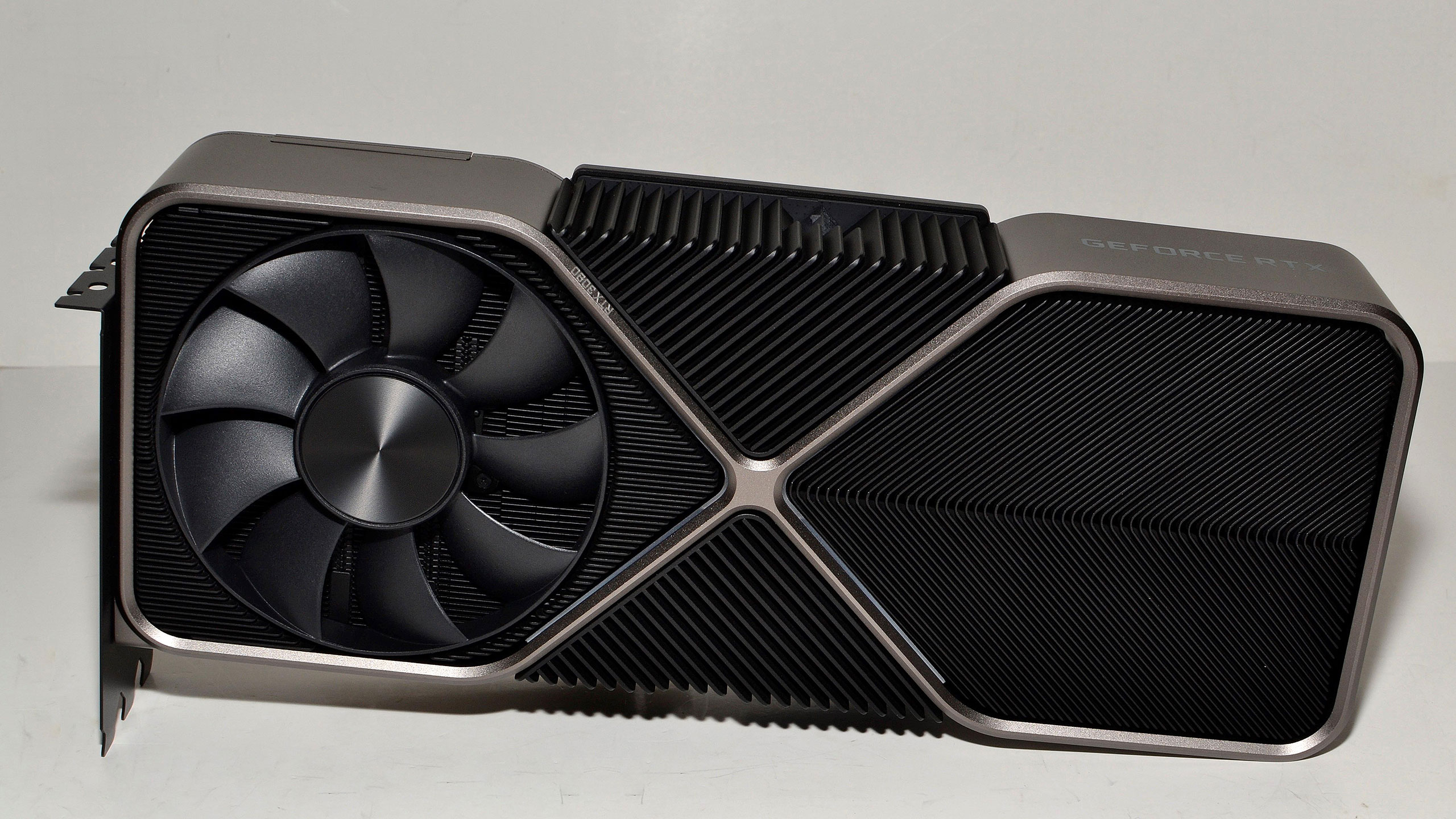


 but it really feels like that if your not able to put much of your income in gaming cause of other responsibilities or pulling six figures you kinda get left behind in the top end gaming of the future. :/