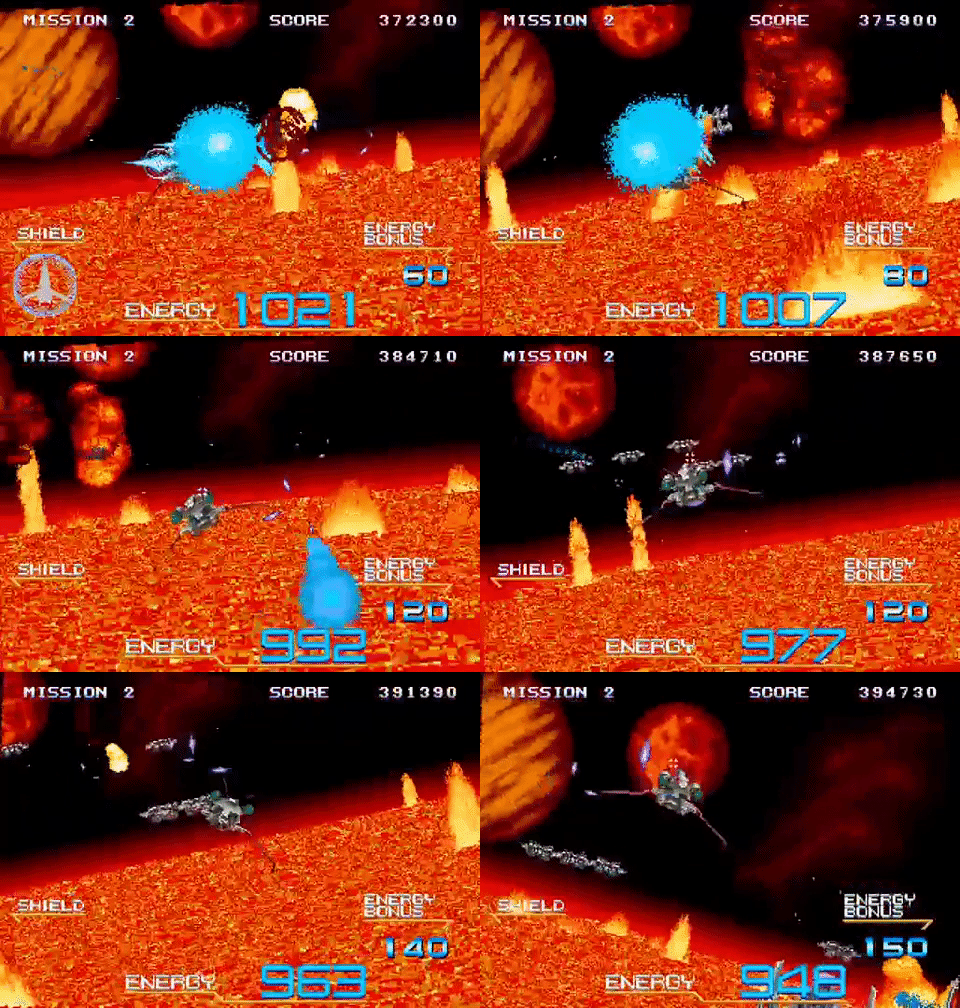
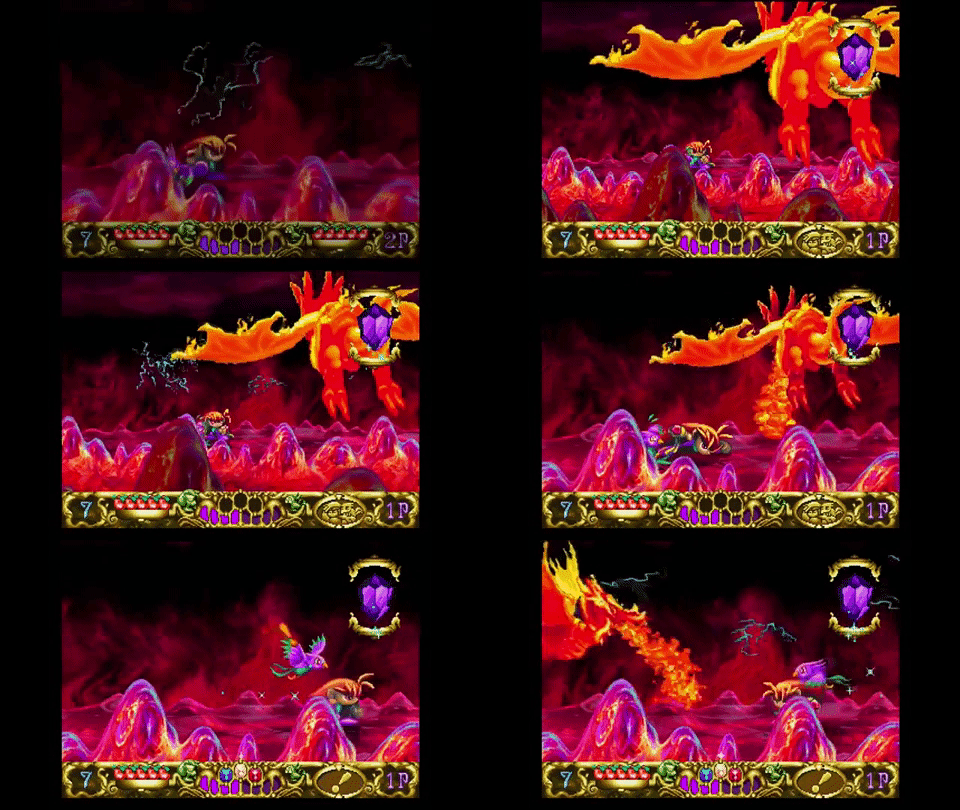
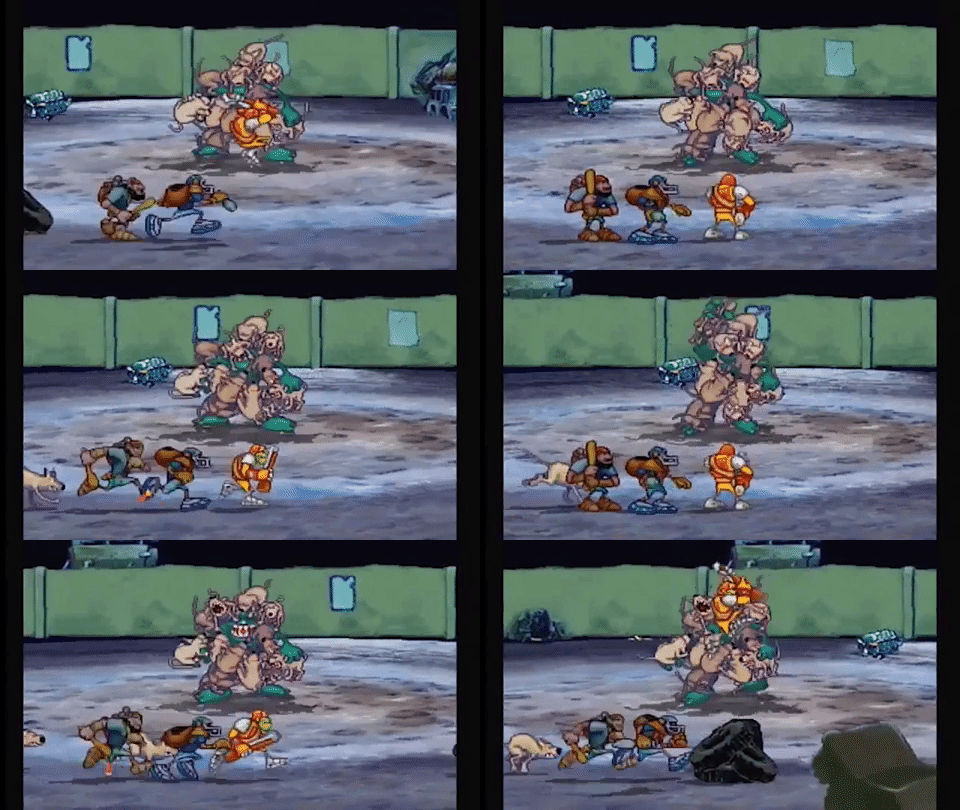
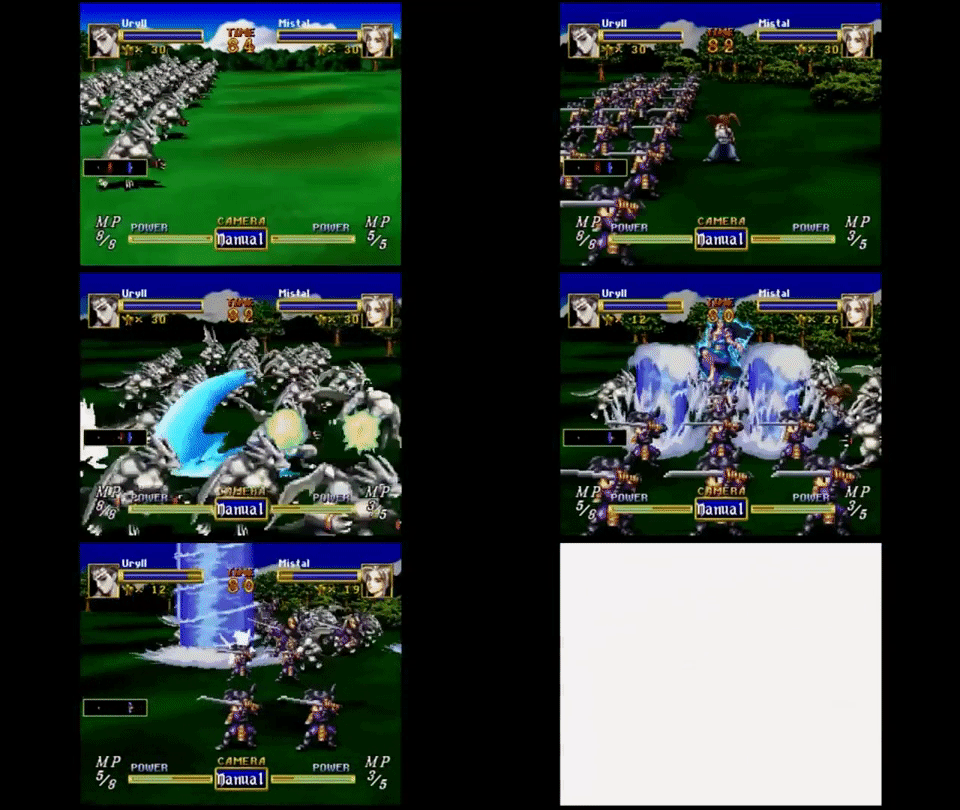
It is, technically. The term is abused here to refer to 2d scaling effects in general.
As
 Sapiens
said, that's probably using software scaling techniques.
Hardware scaling has to store the image in the video RAM only once, in native ratio/orientation and no further processing, then the hardware takes care of the rest when it displays the content of the video RAM.
For Software scaling, you can't rely on the hardware to rotate and scale your image and it will be copied as it is natively directly to the screen. The solution is to "prepare" an already scaled/transformed image before it even gets to the video RAM. There are various techniques for that:
- generate a transformed image, pixel by pixel, on the fly, to a buffer, then use that directly onscreen. The problem is that hardware isn't usually fast enough for that for multiple frames in succession at 60Hz, but it has been done on occasion. Examples: The Adventures of Batman and Robin (Genesis), Star Ocean (SNES)
- have a huge ROM with all possible rotations of the graphic in question. Examples: Panorama Cotton and Red Zone (Genesis), most games on SNES with sprite rotations, all NES games with rotated sprites
- no transformations whatsoever to the graphic in the video ram before or after, but right as the electron beam is starting to draw the screen line by line, mess with the timing of that to stretch the graphic horizontally, vertically or skew it. These are the so-called H-Blank techniques (referring to the very short period of time between horizontal lines where programming can be injected to mess with the drawing process) and any game that uses cylindrical or wavy patterns probably used it. Examples: Trouble Shooters Vintage (Genesis)