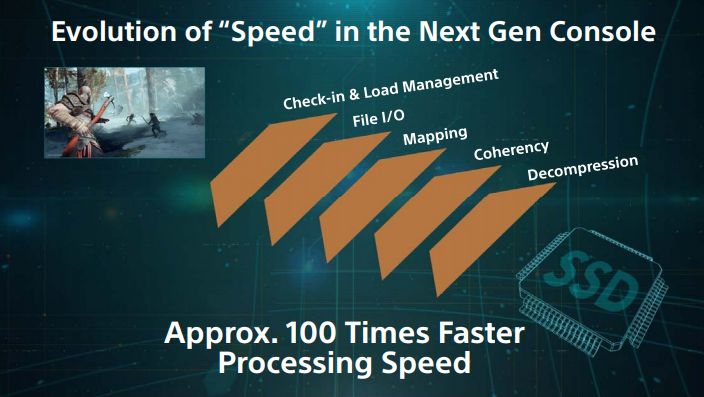
We already knew this tho? I don't think the SRAM cache is actually that sizable; depending on the performance metrics of the SRAM, it's anywhere between 256K to 4 MB.
MS uses a portion of the GDDR6 (the 2.5 GB reserved for the OS) as the cache interface. Granted, there's about 76 MB of SRAM cache on the GPU and some analysis weren't able to determine where all of that is. It's possible aside from the constant caches some of that could theoretically be as an SSD cache.
A few really good posts on B3D gave some insightful thoughts on MS's solution and especially when you look at their research papers regarding some of their R&D on flash storage solutions (FlashMap, etc.), it makes sense. To PSU's claims, well of course a SSD with a DRAM cache will have benefits over one without a DRAM cache, but they seem to be framing it as if Series X has no cache set aside for SSD data at all, which is a weird assumption. It's likely a portion of the 2.5 GB reserved GDDR6 set aside for this, which might also explain why they needed to go with proprietary expandable storage options (again, this stuff was talked about months ago in other threads, and if you search a few threads on B3D you'll eventually come across the posts giving their insight on MS's setup or you can try searching the Velocity Architecture thread here where I have a post linking the quotes in question).
It's almost childish sometimes these websites feel some instinct to always frame these discussions as ways to applaud one system by pegging another like it has a deficiency. Is gaming press truly that immature these days?