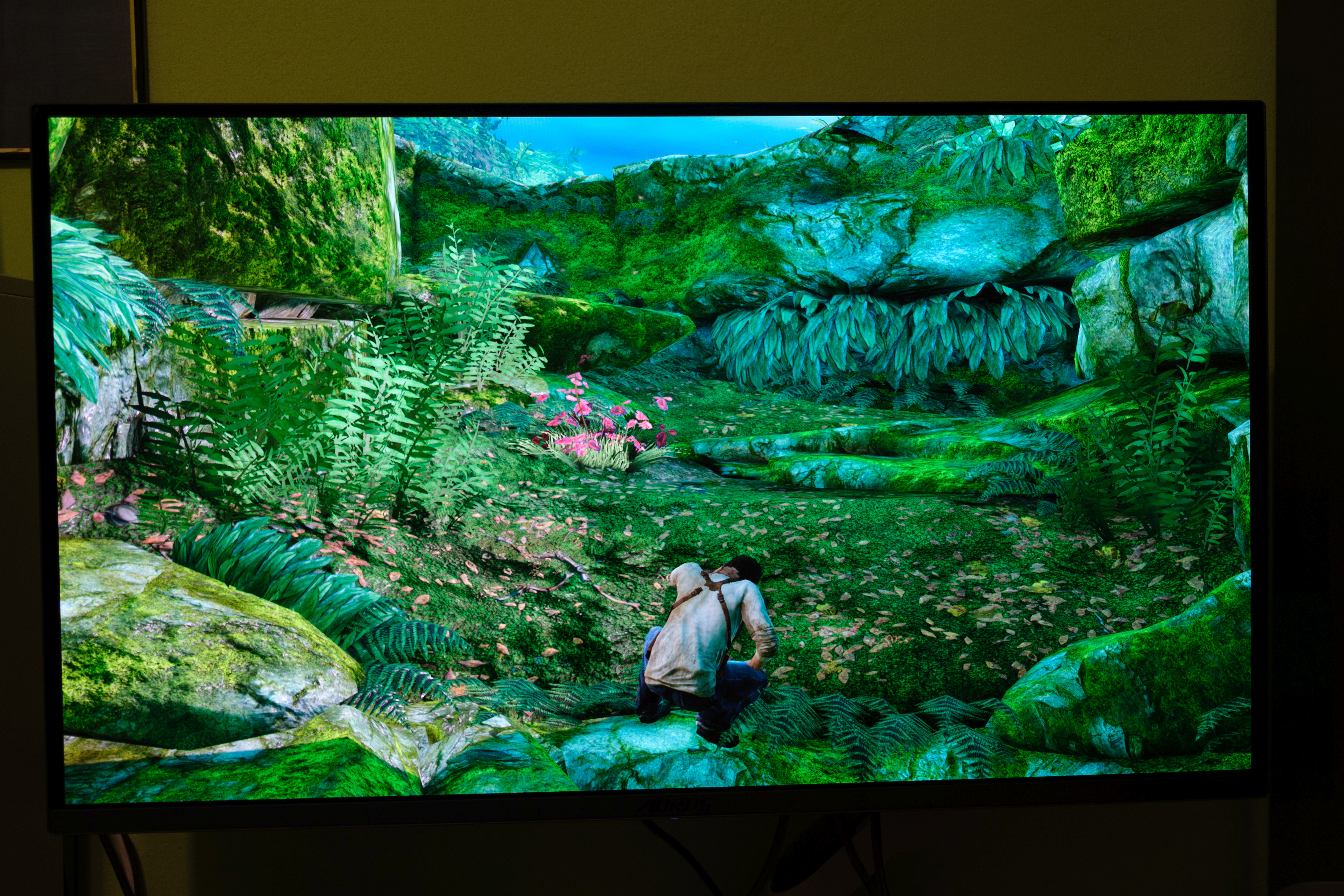
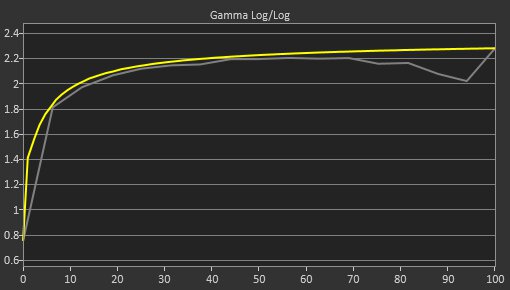
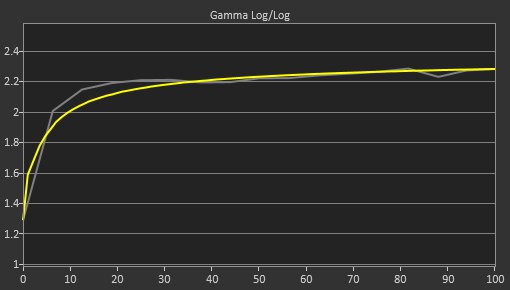
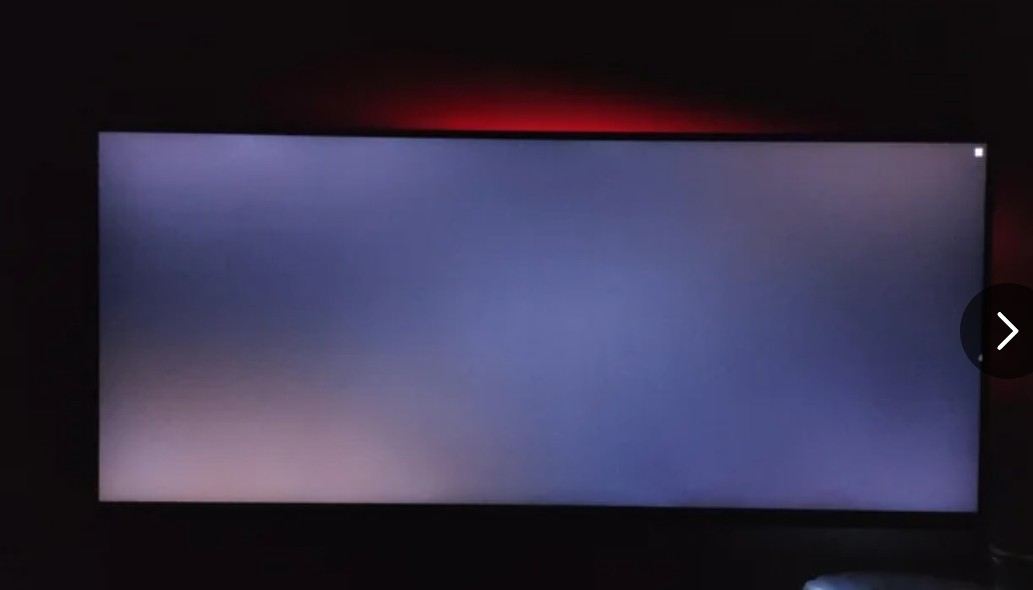
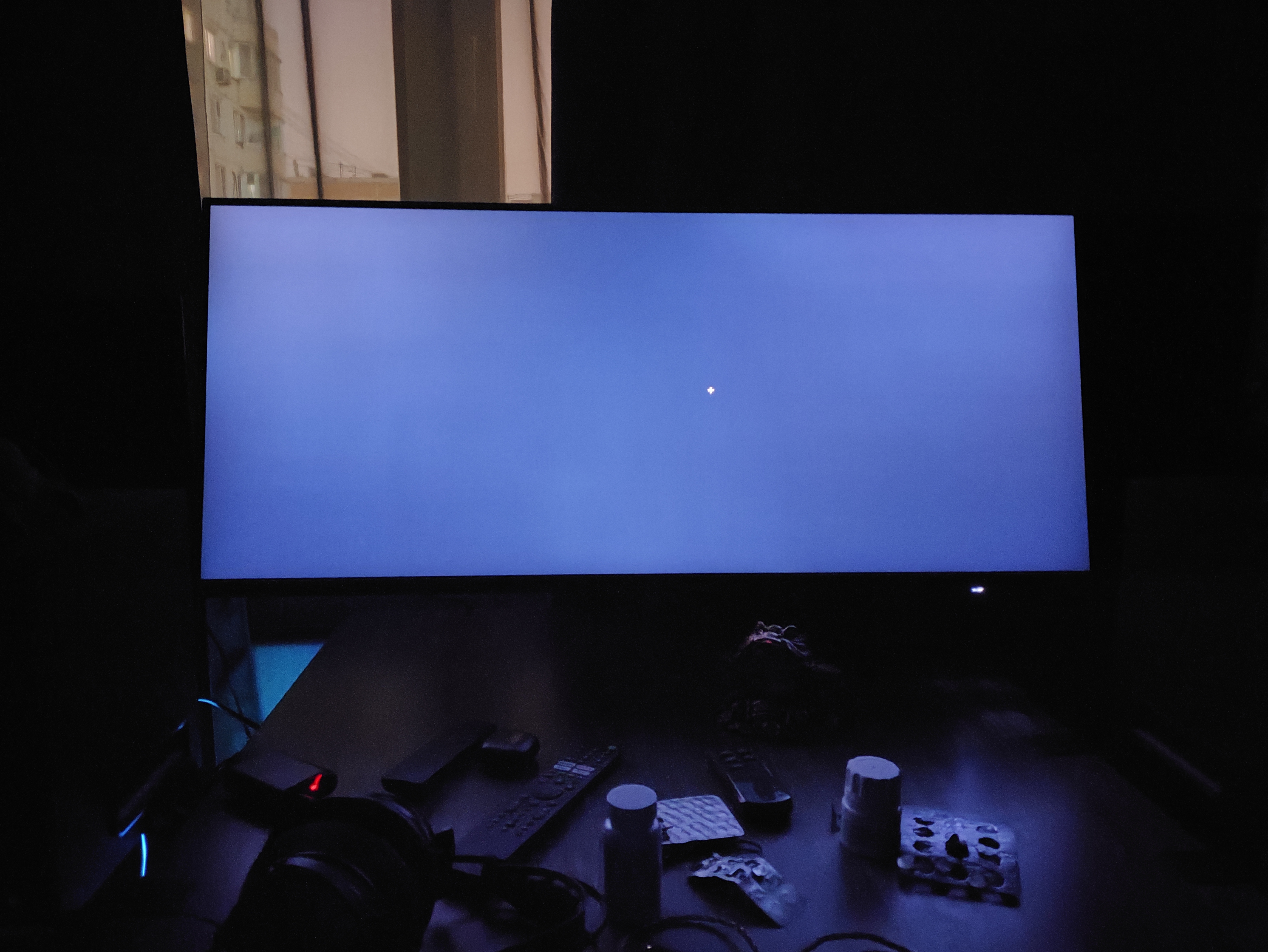
It depends on the model. Many older or cheaper plasma TVs have slightly better blacks than an edge-lit IPS LCD panel, so my eyes can see shade of dark grey instead of pure black. However even cheap plasma TVs have uniform brightness (no clouding whatsoever), so that dark shade of grey isnt distracting and dont ruin the image. Also, pixel-level light control makes a huge difference because small highlights can be so bright that can trick the eye into thinking it is seeing perfect black. You can get similar effect on your LCD if you place a small lamp next to it. Your eyes will perceive good blacks.
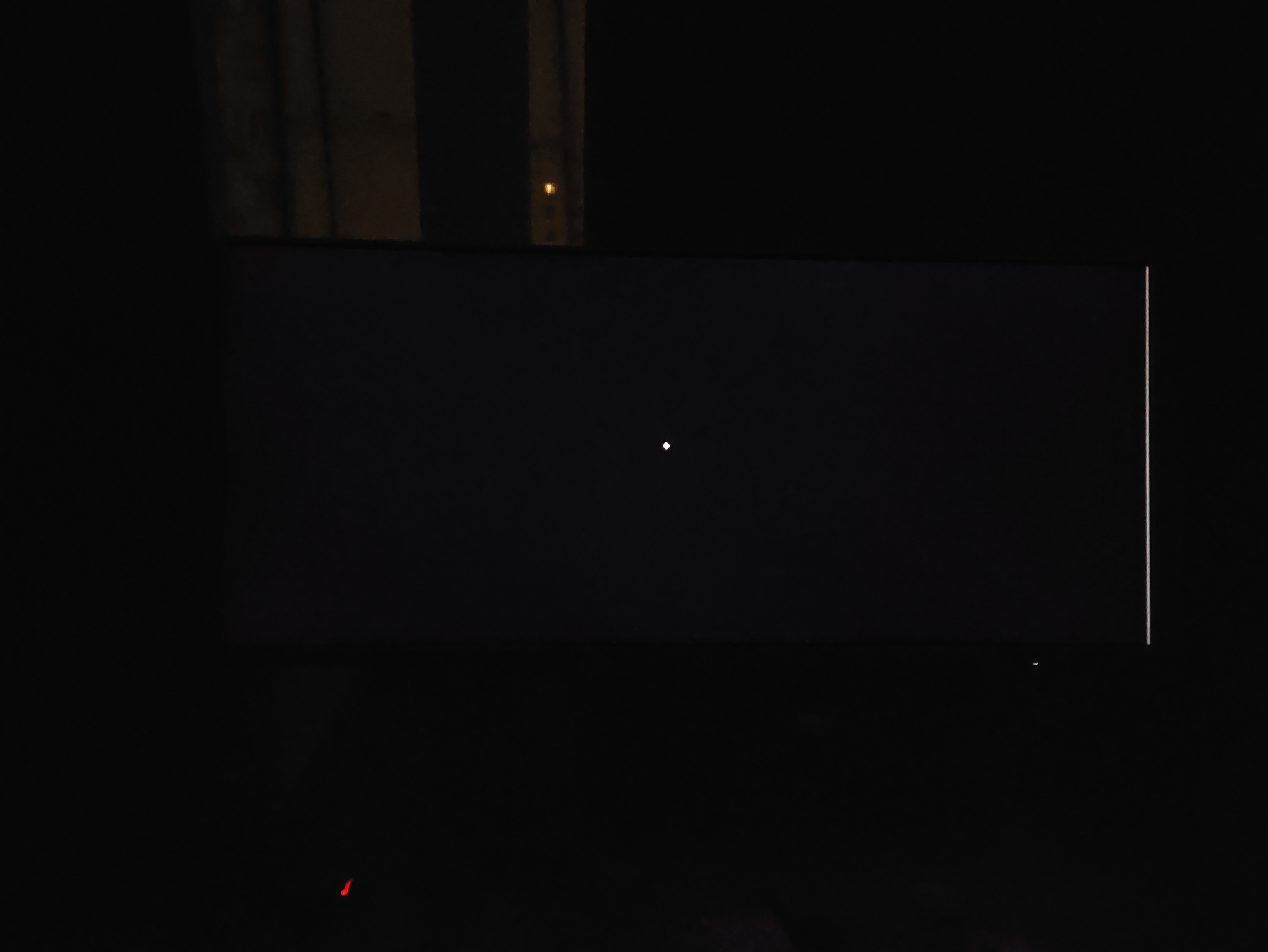
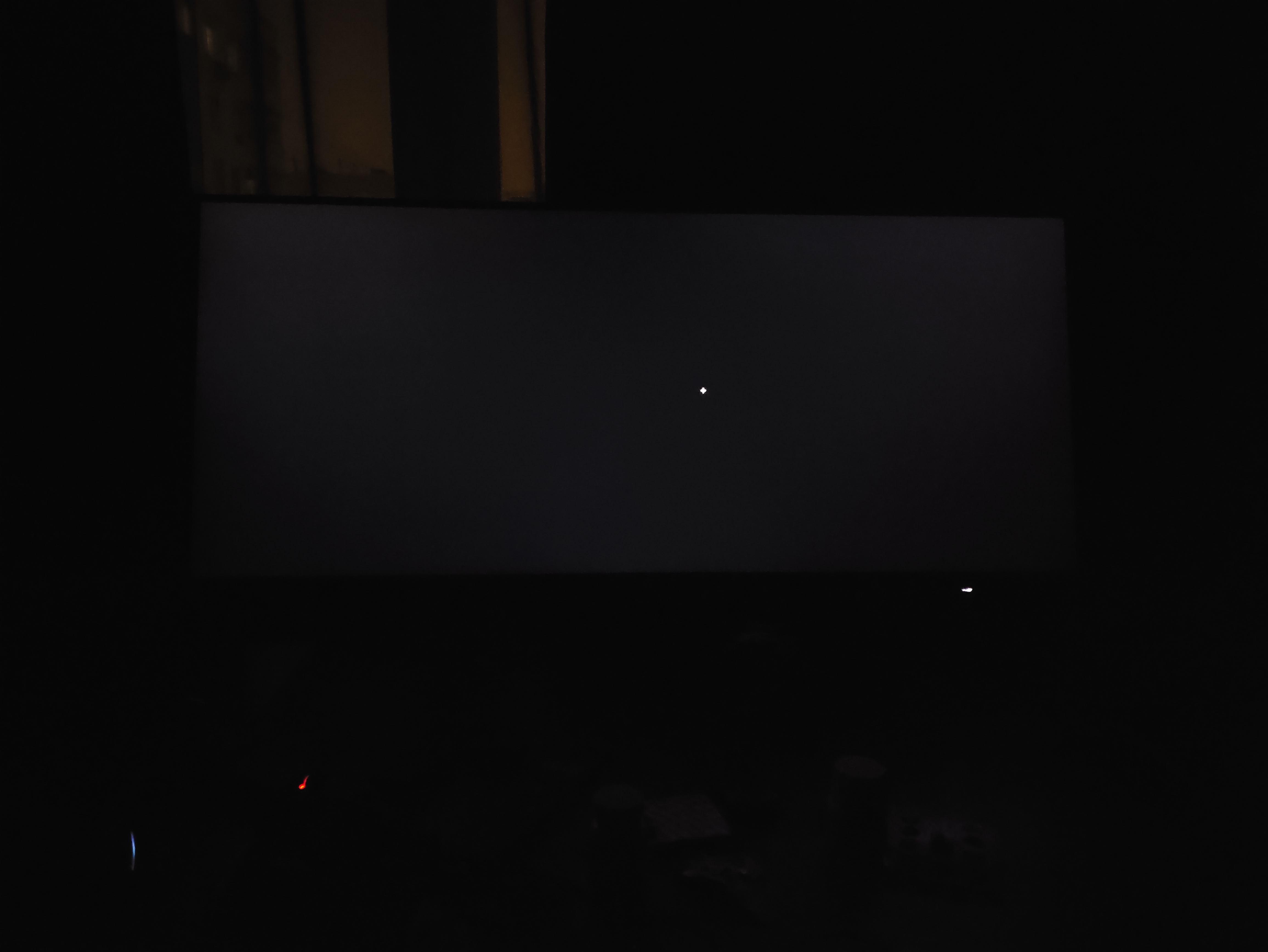
My Panasonic 42GT60 is however one of the best plasma TVs (and the last plasma ever produced), so it has very good blacks even without any highlights on the screen, comparable to the best CRTs. Even with the lowest panel brightness, my LCD IPS monitor had worse blacks. My OLED monitor only has slightly better blacks compared to my GT60 plasma, but only when the display is blank. In a dark room I can't even tell where the edge of my OLED panel is. With my GT60 Plasma, I can see some faint light, but it's not bright enough to illuminate objects in front of the display as LCD on your photo (not even with an extremely high ISO). During normal scenes (even with dark shadows) the blacks look the same on my GT60 plasma and OLED. However, my QD-OLED has a much darker panel, so the blacks look better during the day.
However, plasma TVs are better than OLEDs in two aspects. My plasma delivers razor sharp motion clarity even in 60fps content because it has internal refreshrate of 600Hz. My 240Hz OLED has comparable motion clarity (4 blurred pixels during extremely fast motion 1000 pixels per second) but I need to run games at 240 fps. Colours also look better on plasma TVs. Plasma it is the only light source that can mimic our sun, providing all the necessary wavelengths. Even in SDR content I have this impression that my eyes can see more hues compared to QD-OLED, and not to mention LCD. Typical LCD has extreme dominance of blue light wavelength. You can calibrate the white balance on LCD, but colours will still look either too cold or too warm.
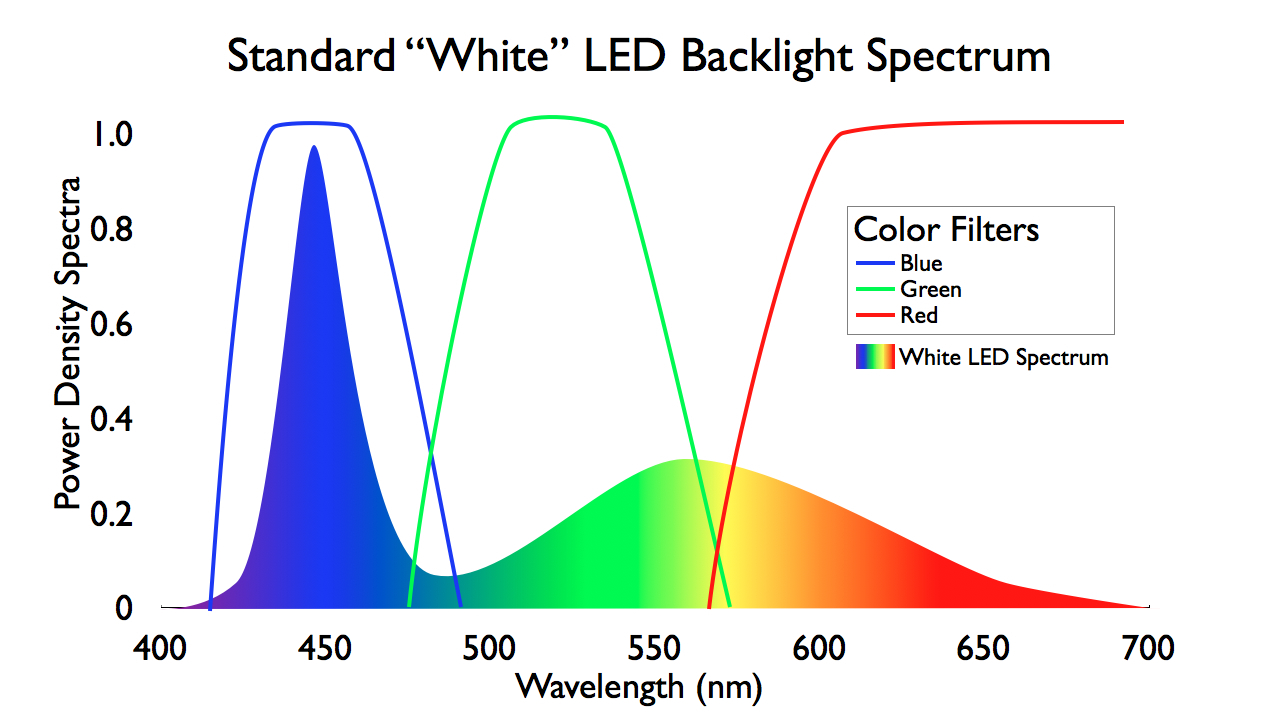
Watching Blu-ray or Ultra HD movies on my plasma TV tricks me into thinking I'm looking outside my window. My QD-OLED is close, but not quite there. However, OLED has a brighter picture and supports HDR, so you could say that outweighs the advantages of my plasma TV.
I replaced my Gigabyte M27QP LCD monitor fairly soon after buying it. I had only used it for maybe two years and I gave it to my niece for free. Although Hardware Unboxed recommended it as the best IPS edge-lit 1440p monitor I just wasnt satisfied with it's picture quality. Some Neogafers were making fun of me because I still preferred to play on 1080p SDR plasma, but they simply didn't realise that resolution is just one aspect of picture quality. I got a much better picture on plasma despite the lower pixel density and lack of HDR support and I found it very difficult to go back to my LCD monitor every time I watched something on my plasma TV and that made me want to upgrade it so quickly. Only now with QD-OLED I really feel I dont need to cry every time I need to do something on my PC monitor. I dont care if my OLED will burn-in few years from now. Life is too short and at least on OLED I can use my monitor with true smile on my face for the next few years. My old Samsung S8 OLED smartphone had some burn-in, but even with that burn-in I found the picture much less annoying than LCD screens.
If I had to choose between expensive 4K LCD TV and cheap 1024x768 plasma TV, I would choose the latter without hesitation. My father has an old 1024x768 plasma TV, and even now, people who watch something on his TV sometimes comment that the picture quality is very good despite the fact that they have modern LCD TVs. Thanks to the insanely high contrast, even a low-resolution plasma TV creates a sharp image that looks extremely pleasing to the eye, because pixel level light control creates high contrast and our eyes perceive sharpness as contrast.
Funny enough the day I bought my first LCD TV was the day I started complaining about the picture quality. Initially, I was impressed by pixel density and HD games, but I quickly realised that I had lost something compared to CRTs. The motion clarity, contrast, colours and blacks were nowhere near as good. Plasma TVs were the only good alternative to CRTs.









 I find Vivid/Dynamic sort of look unpleasant, shit or unwatchable in the day, let alone the night, but cunts love that shit, I can attest to that.