• Hey Guest. Check out your NeoGAF Wrapped 2025 results here!

Miyamoto: games too same-y, industry has a long way to go

I always found it pretty weird because I think that the Mario universe would work pretty good with a lot of its character already having identifying colors (Mario red, Luigi green, Wario yellow etc...)

The problem with re-using an old IP for fundamentally different gameplay is that you dilute the values of the IP.

For example, Mario was originally regarded as a "no BS" game that pushed the limits of what a side-scrolling 2D game world could be (colorful and cute vs. drab with black backgrounds). Jumping on top of enemies and hitting blocks are probably the two most recognizable elements. The game gradually started adding different kinds of enemies and different kinds of blocks, as well as other stuff like doors and world maps and new power-ups to expand the possibilities for exploring the world.

But if you have a 4-vs-4 paintball shooter, that doesn't really involve any of that. Suddenly the Mario IP stamp doesn't represent a certain kind of standard for a certain kind of game. In order to fully realize the concept of a 4-vs-4 paintball shooter, you need an IP, mechanics, and game world that is designed around that concept. That way the game can stand on its own values rather than relying on the familiarity of another IP (with totally different values).

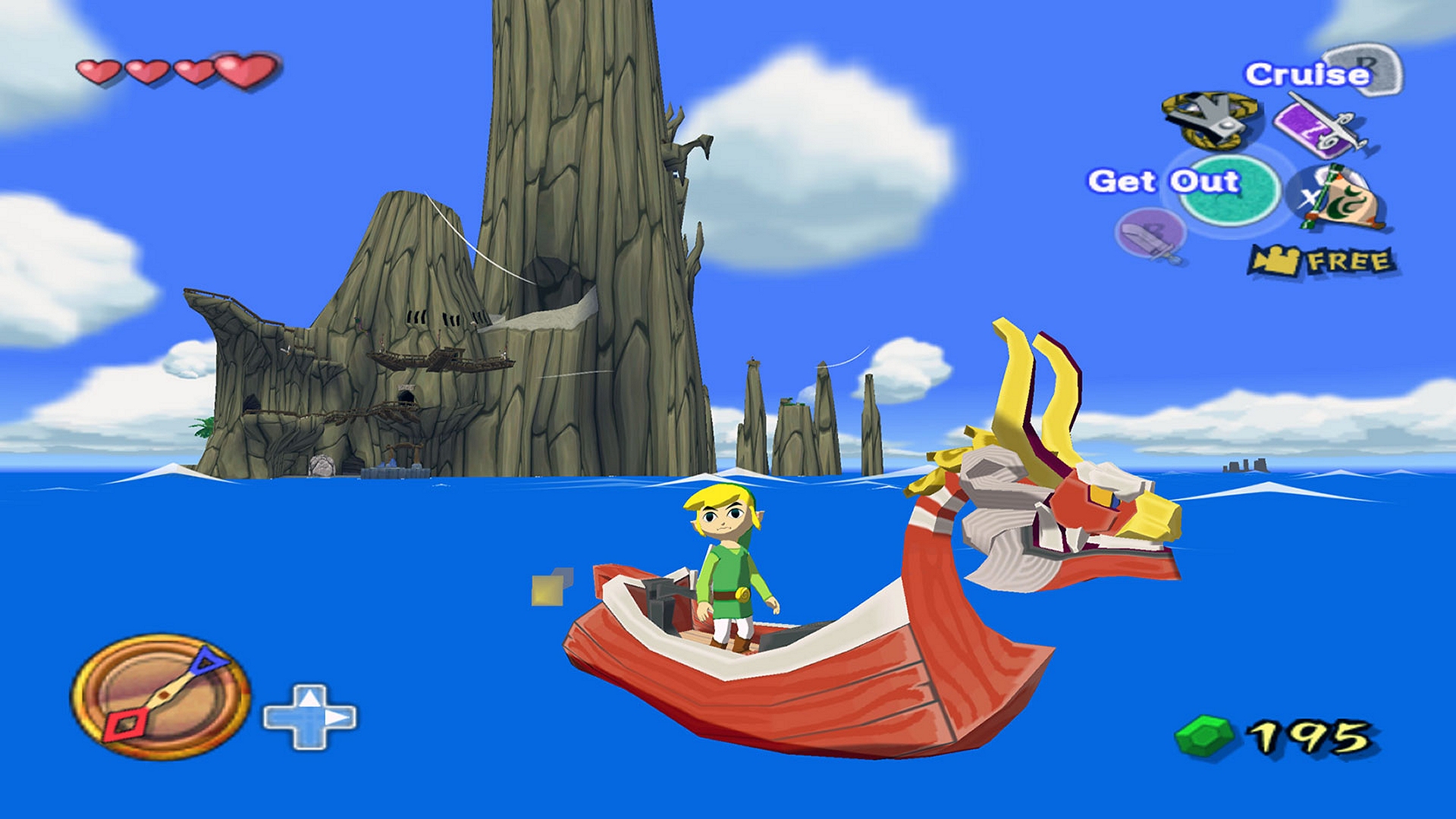
I love Wind Waker, but I really wish I could have seen what Nintendo would have done if they could have 100% committed to an ocean/island adventure instead of having the game repeatedly fall back on Zelda elements and tropes (and likewise what Nintendo would have done with their first Zelda on GameCube if they built on the values of OoT from the start, like LttP and OoT built on LoZ or like SMB3 and SMW built on the original SMB).
 
Games need to be more alike, different control schemes and relearning games in the same genre over and over is fatiguing.
 
Nintendo games are at least unique, in that if for some reason Gran Turismo doesn't click with you, there are alternatives to look at, such as Forza. Generally, when it comes to Nintendo, there is no alternative in the AAA space, so in that sense Nintendo is very much helping to diversify the industry, even though you can argue they recycle too much.

You can't replace 3D Mario with something else, because the pure, obstacle course based 3D platformer doesn't exist elsewhere. The closest is Ratchet but that game has a much heavier emphasis on TPS combat, collectathon, exploration, puzzles and story sequences, with little actual platforming.
 
So many people in this thread are grasping at straws trying to discredit Miyamoto's statements which a lot of them didn't even read. Why not take an objective look at what he said and form an opinion based on that rather than entering the thread with your opinion already decided?
 
You seem confused. His point wasn't that sequels being remotely similar to their predecessors is bad, his point is that when tons of devs only seem to be looking at what's popular and simply making their own versions of that, that's a problem.

A clear example is EA and Activision trying to one up each other with CoD/Battlefied, or the large number of third person cover-based shooters that came out after GoW.

Yes, Nintendo sequels might not always be radical departures (and no one expects all sequels to be), but you never get the sense that they're looking at what genre/type of gameplay is popular at the time and cranking out their own versions. I don't think you understood what his point was at all

And as I've posted before, if you're generally talking about an issue with creativity and same-y stuff in the industry, it doesn't really matter in the grand scheme of things if it's two companies trying to one-up each other or just one company iterating on the same stuff, unless for some reason you want to exclude Nintendo from the problem altogether just by a very particular yet unjustified and self-defined distinction between bad same-y and good same-y.

And if you even want to ignore this kind of point, then i don't think Miyamoto has been paying a lot of attention to what kind of games are available. Same-y and copycat stuff is absolutely nothing new, it has existed for decades, and there's an insane diveristy of games available right now still.
 
Regardless of whether he's being hypocritical or not, his point stands.

Games are very similar and innovation doesn't happen as often as it should from big budget studios.

Including his games - or not - in that group is irrelevant to his comment.
 
The problem with re-using an old IP for fundamentally different gameplay is that you dilute the values of the IP.

For example, Mario was originally regarded as a "no BS" game that pushed the limits of what a side-scrolling 2D game world could be (colorful and cute vs. drab with black backgrounds). Jumping on top of enemies and hitting blocks are probably the two most recognizable elements. The game gradually started adding different kinds of enemies and different kinds of blocks, as well as other stuff like doors and world maps and new power-ups to expand the possibilities for exploring the world.

But if you have a 4-vs-4 paintball shooter, that doesn't really involve any of that. Suddenly the Mario IP stamp doesn't represent a certain kind of standard for a certain kind of game. In order to fully realize the concept of a 4-vs-4 paintball shooter, you need an IP, mechanics, and game world that is designed around that concept. That way the game can stand on its own values rather than relying on the familiarity of another IP (with totally different values).

I love Wind Waker, but I really wish I could have seen what Nintendo would have done if they could have 100% committed to an ocean/island adventure instead of having the game repeatedly fall back on Zelda elements and tropes (and likewise what Nintendo would have done with their first Zelda on GameCube if they built on the values of OoT from the start).

I'm happy they create a new IP around these gameplay mechanics, it's just that after Mario tennis, Mario Kart, Mario Party and Mario Striker Football, Splatoon's gameplay seems more suited to be a Mario game then some that I just listed.
 
I'm happy they create a new IP around these gameplay mechanics, it's just that after Mario tennis, Mario Kart, Mario Party and Mario Striker Football, Splatoon's gameplay seems more suited to be a Mario game then some that I just listed.

Mascot sports games and themed board games are one thing. They're designed as licensed spin-offs to pad your revenues.

An attempt to create a differentated take on a shooter so you can propose something unprecedented with your platform... that's another story.
 
also, iirc for splatoon, the core mechanics where developed first, then they added everything else by thinking what the best style could be? I think they even said something about the developers being the ones singing in the splatoon song
This isn't even exclusive to Splatoon, there are quotes from Miyamoto or other Nintendo employees where they say they develop the core gameplay first and then decide what IP suits it or if it should be a new IP.

I'm happy they create a new IP around these gameplay mechanics, it's just that after Mario tennis, Mario Kart, Mario Party and Mario Striker Football, Splatoon's gameplay seems more suited to be a Mario game then some that I just listed.
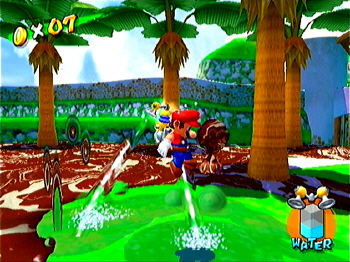
It's fair to say this is taking the idea of the FLUDD to the next level. The entire traversal mechanic of Splatoon is essentially what you could do with the FLUDD in Mario Sunshine except it allows the characters to travel up walls when submerged in the ink, instead of just sliding around the ground. I can't think of a way that this would make sense with Mario characters.
 
Games need to be more alike, different control schemes and relearning games in the same genre over and over is fatiguing.

I would argue the whole point of gaming is to experience new gameplay mechanics, not to homogenize them so that you can comfortably swap between Killzone and Crysis to enjoy the screenplay.

Imagine if Donkey Kong Country didn't have the mid-air roll mechanic, you might aswell just make another Mario game. This new action which you have to put in effort in order to master takes the level design to new directions and is what makes a game feel fresh and interesting compared to the one you played previously.
 
Been said already, but. I still feel like the term "IP" carries too much weight(my subjective opinion of course). Not that someone can't want it, but it seems like it's even more important than what gameplay said IP carries. Of course new IP plus new gameplay is great, but I don't understand why a game like Mario can throw some great and progressive ideas and actually weave it into a concept, gets heat when another new IP gets praised and it plays exactly like other games. Again, not saying you can't like one over the other, but why does IP and theme carry so much more weight than gameplay concept in the industry and with players?

Or does it not? Maybe my perspective is wrong.
 
I agree with Miyamoto's sentiment. The problem stems, I think, from the profit-driven nature of game design. That's why indie games are such a beacon of new game ideas, and also why big companies can end up ripping off successful/compelling game ideas. Be it a shooter, a platformer, or even a humble indie title... success is always copied. Heck, some companies even rip off games that aren't runaway successes.

It seems like a vicious industry, and no company wants (or can afford) to be unsuccessful. Unfortunately this means that creativity and innovation are sometimes left by the wayside.

I'm glad Miyamoto has had this epiphany. I hope it leads to even better games from Nintendo.

Yeah, from what we know of Nintendo's style of development, they typically design games based around mechanics first before characters and story, so Splatoon was no different.

Yup.

For instance, in the first Kriby game, Kirby began as a placeholder graphic used while they ironed out the mechanics. In the end, they fell in love with the pink blob and made him the star. And thus, Twinkle Popopo was born.
 
And as I've posted before, if you're generally talking about an issue with creativity and same-y stuff in the industry, it doesn't really matter in the grand scheme of things if it's two companies trying to one-up each other or just one company iterating on the same stuff, unless for some reason you want to exclude Nintendo from the problem altogether just by a very particular yet unjustified and self-defined distinction between bad same-y and good same-y.
Nintendo shouldn't be excluded altogether, but in this instance they're much less guilty than other publishers in the industry. Nintendo may make a million Mario games, but they not only all play distinctly from only one another, but they also play distinctly from any other games in the industry. The NSMB series may be more of the same every time a new one is released, but they're the only games of their kind. There are only FOUR games like NSMB in this entire industry, because Nintendo makes their games independently from the rest of the industry. However, you'll find tons of games that play like Call of Duty, Assassin's Creed, Need for Speed, Gears of War, etc. because other publishers rely on what the rest of the industry does.
 
I would argue the whole point of gaming is to experience new gameplay mechanics, not to homogenize them so that you can comfortably swap between Killzone and Crysis to enjoy the screenplay.

Imagine if Donkey Kong Country didn't have the mid-air roll mechanic, you might aswell just make another Mario game. This new action which you have to put in effort in order to master takes the level design to new directions and is what makes a game feel fresh and interesting compared to the one you played previously.

Why does jump have to be on different buttons all of the time? Sometimes it's x and sometimes its y/triangle. Analog sticks all do pretty much the same thing across most games within a genre, so I don't know why we can't have standardization where applicable.

Standardization is not the same as homogenization and I don't know why I have to be forced to learn which trigger button is secondary fire or primary fire. They should all be the same out of the box and no configuration necessary.


Why do I go from shooter A to shooter B and have to relearn the controls when they are both the same game essentially?
 
I think many of the people that says Nintendo is just as guilty of doing this, lack any meaningful experience with newer Nintendo-games. Yes, Nintendo tend to make a ton of games that feature Mario - but somehow those games play in very varied ways, and many of them also introduce genuinely new and creative ideas. The same goes for Zelda, a series which basically reinvents itself with every iteration - and just look at the variation between games in the Metroid-series which includes both Prime, Hunters, Zero Mission and Other M - four completely different games that hardly even classify as the same genre. And then there is stuff like Wonderful101 and Pikmin - these are games nobody else in the industry makes at the same level and with the same budget - and rpgs like The Last Story and Pandoras Tower. All more or less bombed for being daring and different.

The fact is that Nintendo is indeed using their biggest franchises ALOT and much more than most of us would prefer, but they also create a lot of new ip and more importantly they always try to push the boundaries of gaming either within their established franchises or within new ones and even when they do iterate like with the New Mario-series, they tend to do it in genres that the rest of the industry ignore - making it much less bad than for instance the cinematic shooter-galore that is going on right now.
 
He's totally right but unsurprisingly most of GAF is getting it totally wrong.

What he's expressing is that dark and gritty inhibits the creativity of a game because it almost instantly imposes a set of restrictions on the gameplay, because said game has to adhere the realistic logic of that world. On the other hand, Mario is free from these limitations because it's aesthetic doesn't define how it plays. Mario could be anything, therefore the designer is free to express his creativity in unusual ways. Something like Captain Toad could never exist if it was set in some sort of modern, realistic dystopia. Splatoon's visual style doesn't limit it's gameplay possibilities, only enhances and open new ideas for creativity. While Mario Kart 8 can have anti-gravity because it's not trying to be a realistic therefore has no need to be grounded within normal physics etc.
 
Shaking my head at the number of people on the first page who can't read - FFS! - or follow a simple point. Good gosh...
 
This isn't even exclusive to Splatoon, there are quotes from Miyamoto or other Nintendo employees where they say they develop the core gameplay first and then decide what IP suits it or if it should be a new IP.

That's true, the Splatoon talk at E3 was very eye-opening in the way they talked about Nintendo's approach to developing games. They always put gameplay first, and everything that adds to the gameplay.

Like, I can imagine Super Mario Galaxy didn't start of as a Mario game. They were thinking of platformer mechanics and came up with this idea of gravity and planets, and were able to make it fit wonderfully within the Mario universe.

It just sounds ignorant to me when people consider 'all Marios' or 'all Zeldas' to be the same recycled gameplay every iteration. It's not. There's a lot of innovation to be found each time.
 
Then why is the WiiU only appealing to Nintendo fans while Ps4 and XboxOne appeal to a much broader audience?

Sadly enough, it seems most people that buy games tend to buy the big and safe ones and they appear not on the Wii U but on the PS4/Bone. This is in no way exclusive to the gaming industry though, its the same with movies, tv-shows, music etc. The varied, creative, thoughtful things isnt the same as the things that sell.

(By this I do definitely not mean to say that all games on the PS4/Bone are not varied, uncreative etc, just that the biggest sales-drivers are made in this way, and that the games that are supposed to be the big sales-driver on the Wii U in general are way to daring and diverse to achieve that role. Of course the Bone and PS4 have tons of awesome, creative and thoughtful stuff as well).
 
This is actually a problem across industries. Very rarely is anyone coming up with anything "new". It's almost all based on designs that came before.

From TV's to music to movies, videogames, books, industrial design, pizza. Humans as a rule don't innovate until they have to.
 
Why does jump have to be on different buttons all of the time? Sometimes it's x and sometimes its y/triangle. Analog sticks all do pretty much the same thing across most games within a genre, so I don't know why we can't have standardization where applicable.

Standardization is not the same as homogenization and I don't know why I have to be forced to learn which trigger button is secondary fire or primary fire. They should all be the same out of the box and no configuration necessary.


Why do I go from shooter A to shooter B and have to relearn the controls when they are both the same game essentially?

Sometimes it makes no sense, I agree. It could be that in your game jumping is not the central mechanic but takes on a secondary role, that could be why it gets "relegated" to triangle.

I was focusing on the relearning part of your previous post and missed your general point. Because learning, i.e. the player having to put in effort in order to extract entertainment is vital I think. It's what Miyamoto also talked about recently. How you can easily convert button presses into cool stuff happening on screen in AC, but in Bayonetta you first have to put in hours upon hours before you can even begin pulling off the moves you see in youtube vids. I think that distinction of having to relearn is necessary in gaming otherwise the experience is generally shallow.
 
Read the Edge article, it's not even that long so I can't possibly imagine why some people aren't reading it and just commenting on how bad Nintendo is at innovation. Moreover, every new game Nintendo releases of an existing franchise is different and provides new elements to the gameplay. That's like saying all of the Metal Gear Solid games feel the same in terms of gameplay. Anyways, this isn't even the point of the OP and I'd just like to point out that Miyamoto is right. From a business standpoint, it's bad to switch things up from what's popular, but much like the games for the Wii U, sometimes you just have to put creativity first as a game designer and if you truly have love for your craft. I wish more people would take risks since in gaming, the only thing that stifles your creativity is your own mind, (and available technology of course); no such thing as too ambitious.

Note: Sorry for any grammatical errors above and I have also never owned a Nintendo product in my life before anyone labels me a fanboy.
 
I agree with Miyamoto. It's cool that he doesn't exclude himself from the criticism. He's not wrong, It's sad that the most visible new games and IPs are more of the same. Not saying that ALL new IPs are that way, but the exceptions are in such a minute quantity. Even we have to admit that indie and mobile games are following the same trend. And again, he doesn't exclude Nintendo from that too. But I guess it's expected due to ballooning dev costs and need for ROI. Plus, consumers seem to buy the same-y shit, so there's that. The most glaring thing I noticed was the lack of reading comprehension in this thread.
 
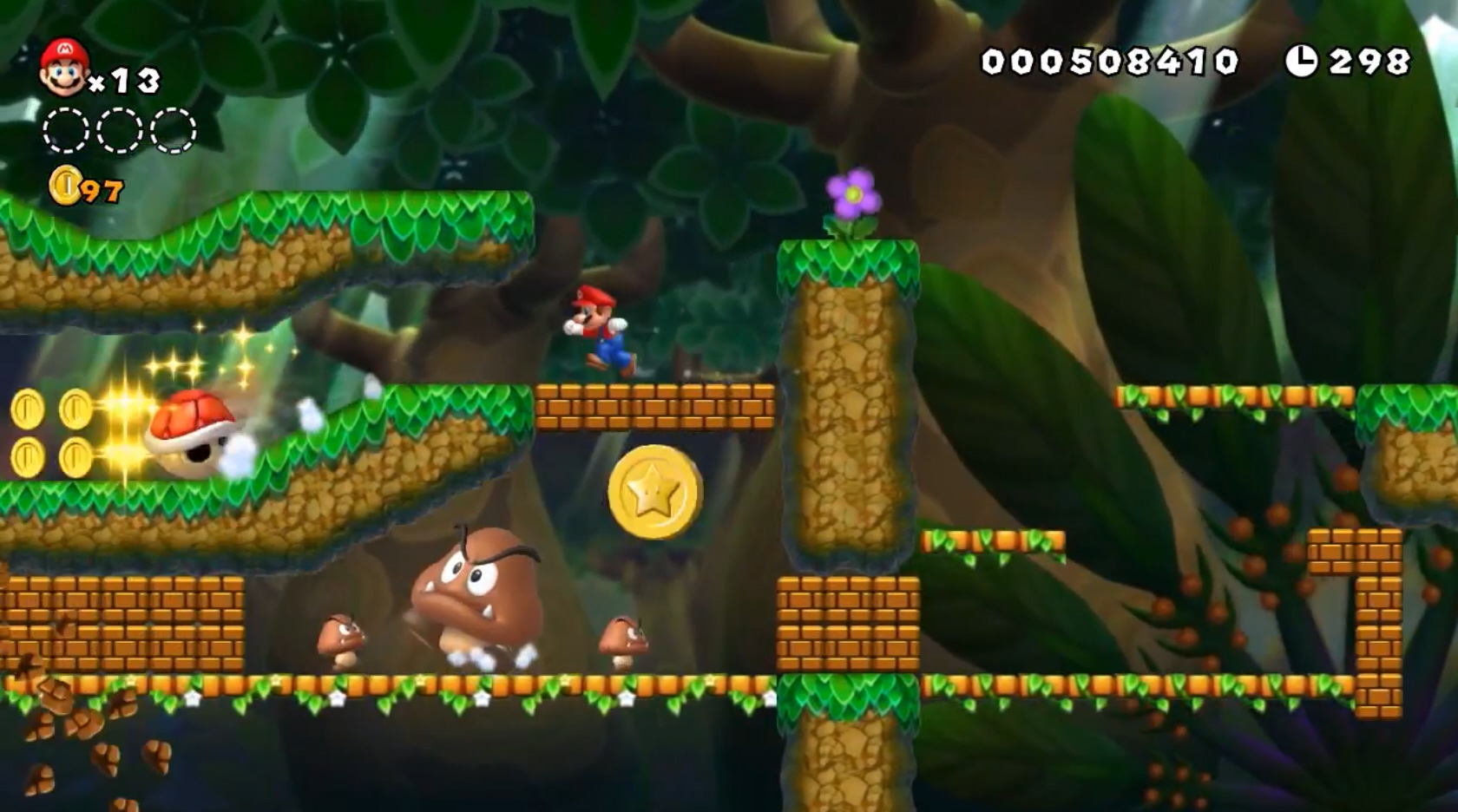
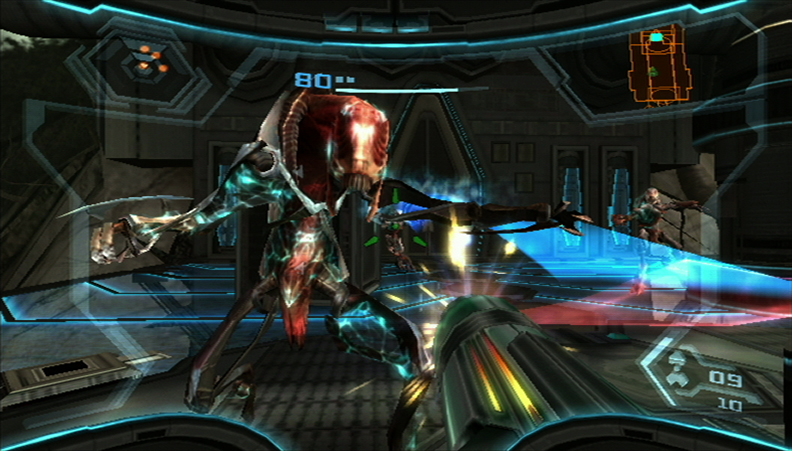
What most of you are complaining about:

NewSuperMarioBrosU.jpg


2405311-super-mario-3d-world-3.jpg


Hover_Nozzle.jpg


super_mario_galaxy_10.jpg


zelda_windwaker_hd_01.jpg


3DS_Zelda_scrn04_E3resized.jpg


8e5163d83b78f9ffd362785c2276cba2.jpg


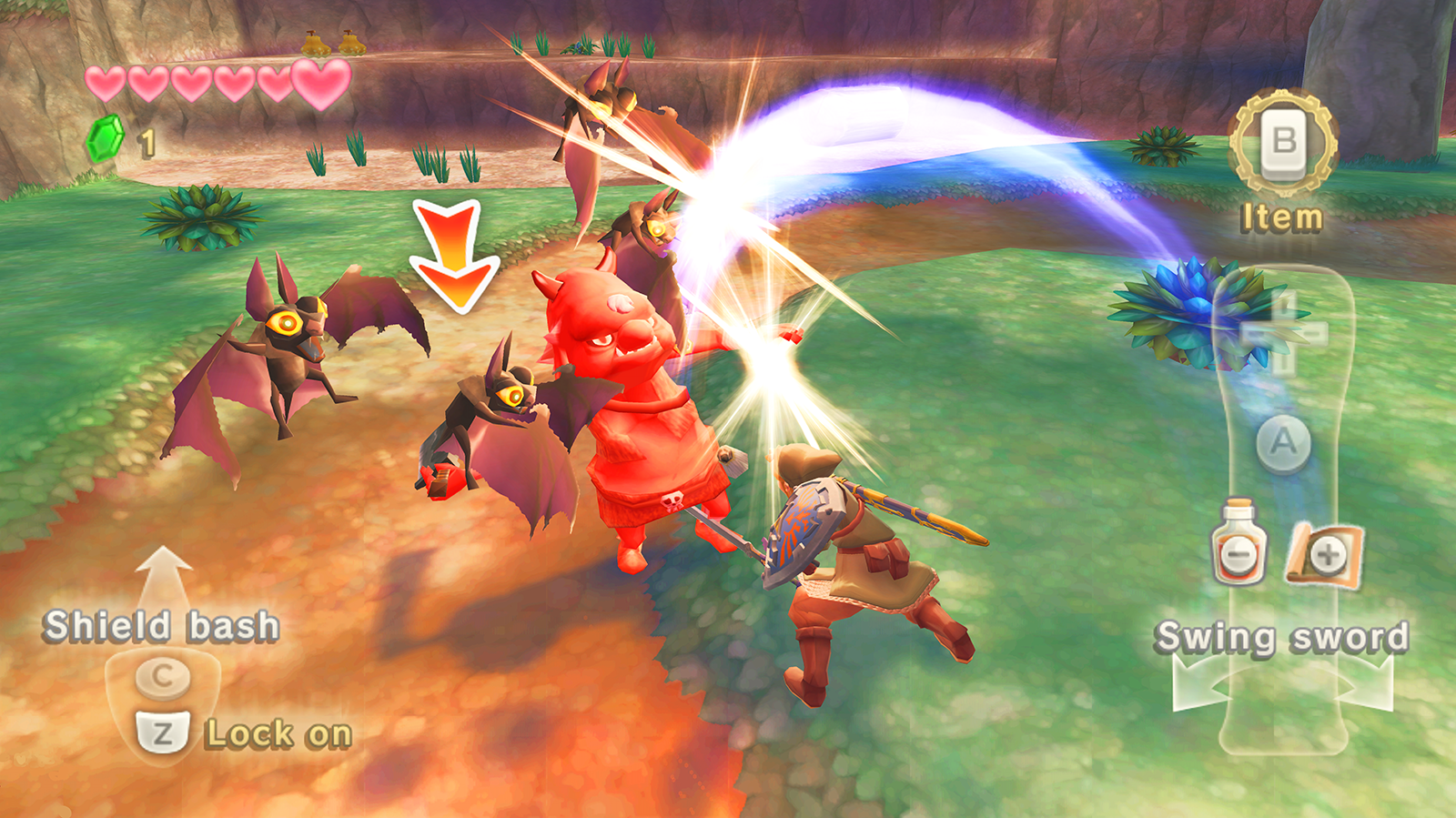
1_RVL_ZeldaSS_08ss16_E3.png


metroid-prime-3-corruption-screenshot-2.jpg


1043086-960554_20090602_screen001.jpg


2435309-kirby014.jpg


2557827-screen+shot+2014-06-10+at+9.29.54+am.png


nintendo-released-trailer-splatoon.jpg

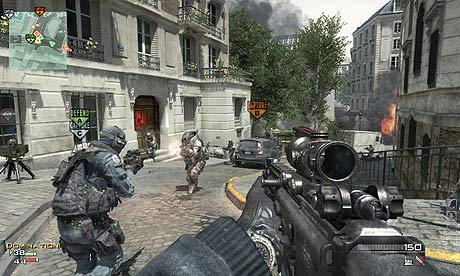
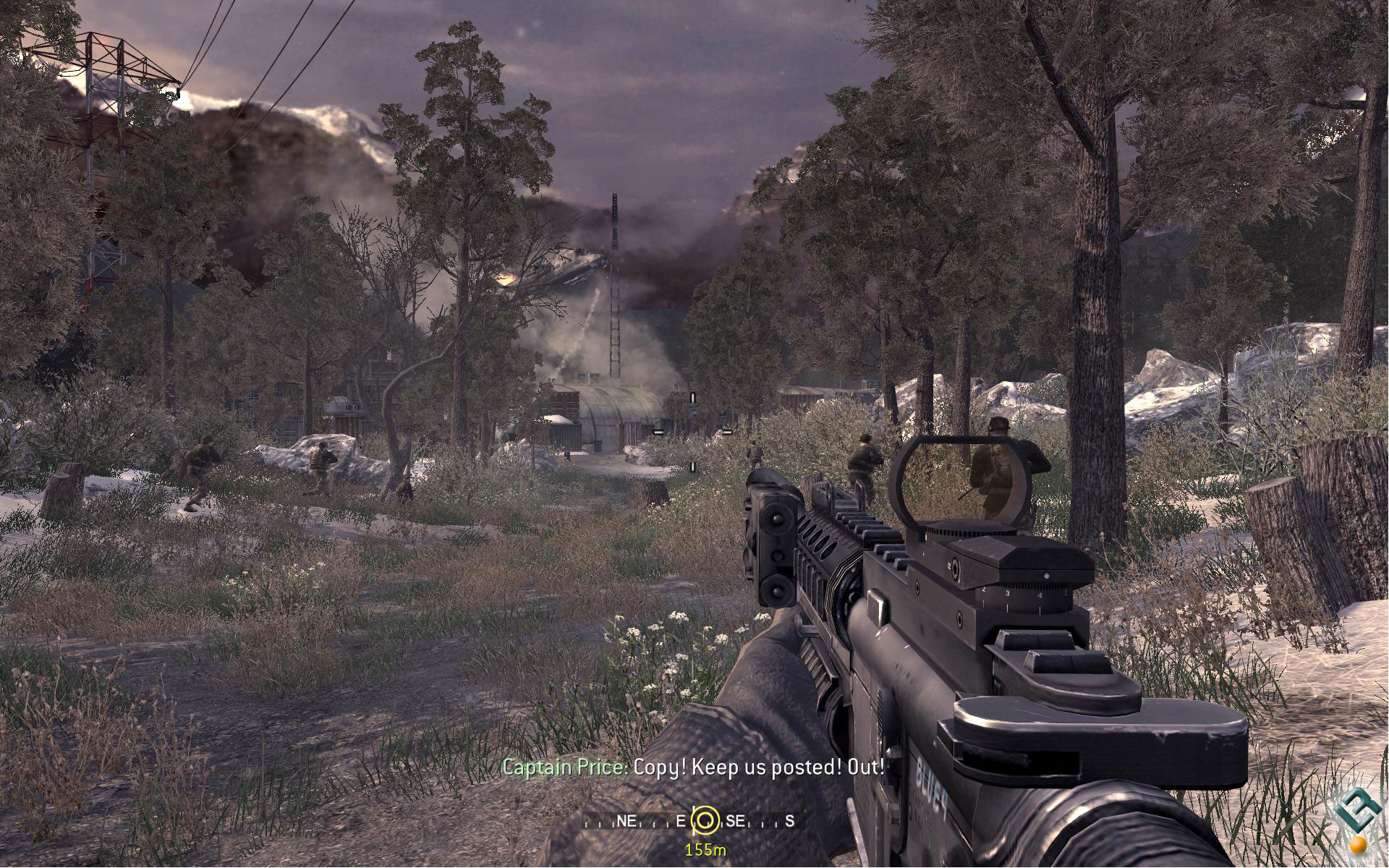
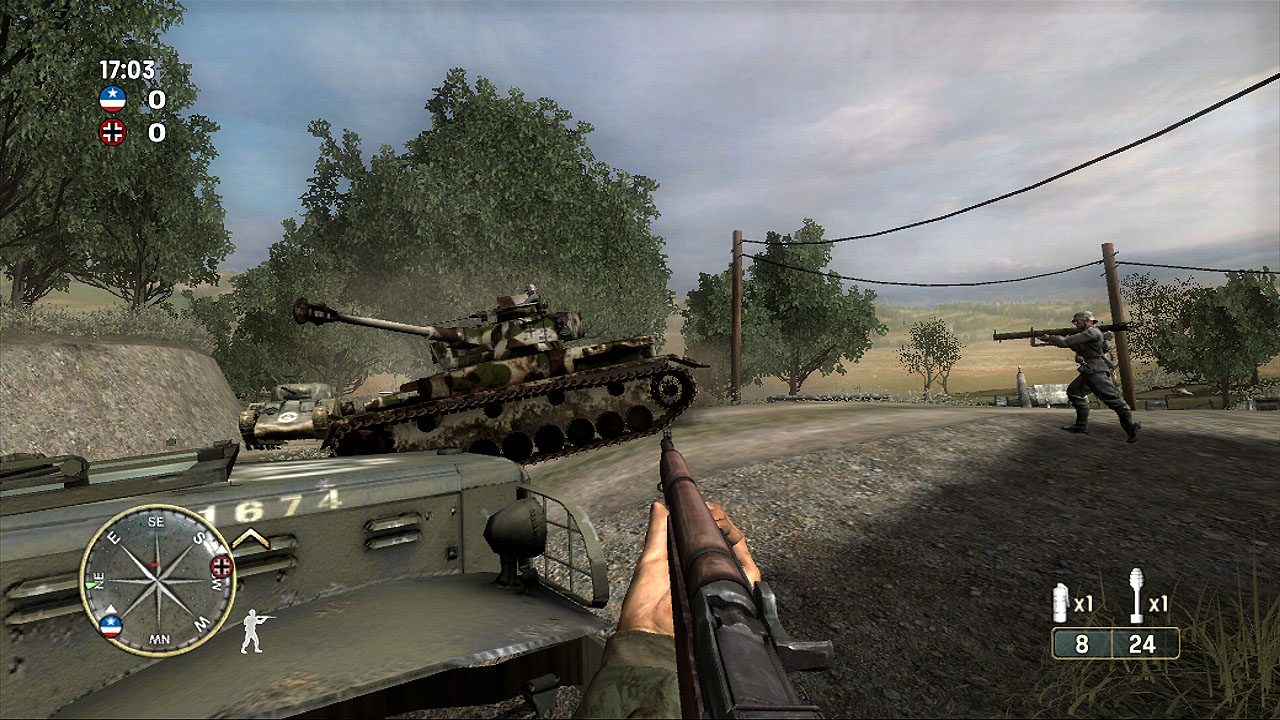
What the real problem is:


Those are all different games from the last three console generations. I couldn't tell one apart from the other even if my life depended on it.

I can only showcase graphics here, but the case for gameplay is even worse. Nintendo is well known to try heaps of new things inside the same series of games, sometimes going as far as to change the focus of the franchise completely. Above are a vast amount of different games, from different publishers which are all basically the same graphic-wise and gameplay-wise, minus a few differences. I can give you that the New Super Mario Bros series is samey as hell, but that's the only case of uninspired sequels you'll finf in the whole portfolio of Nintendo, and even those are way more different from each other than what I just posted above.
 
What most of you are complaining about:


What the real problem is:


Those are all different games from the last three console generations. I couldn't tell one apart from the other even if my life depended on it.

I can only showcase graphics here, but the case for gameplay is even worse. Nintendo is well known to try heaps of new things inside the same series of games, sometimes going as far as to change the focus of the franchise completely. Above are a vast amount of different games, from different publishers which are all basically the same graphic-wise and gameplay-wise, minus a few differences. I can give you that the New Super Mario Bros series is samey as hell, but that's the only case of uninspired sequels you'll finf in the whole portfolio of Nintendo, and even those are way more different from each other than what I just posted above.
Definitely no bias in this post...
 
Definitely no bias in this post...

Agreed.

I could identify most of the ones in the Nintendo column, in spite of not having played almost any of them... but the shooter column? I can identify maybe three from the image alone, and that's mostly because of the UI.
 
five if you count lugi...

And the last 3 (if you count luigi) all came out within 10 months of eachother. which is absurd.


That said, I get his point and half agree and half dont agree with it.

Theres quite a lot of diversity unless you go to the top. Even then, theres action games, shooters, racers, single and multiplayer RPGs, etc that are all getting a push from their respective publishers/developers and seem to have attracted a lot of fans.

The concern from me is that those have been the top 4 categories for like 25 years. The last thing I want is more fucking 2d platformers but I'll enjoy the smaller stuff that branches away from that or even handles it in a different way.

First; this thread cited the GTA IV expansion and Red Dead Zombie pack as reason to NOT consider NSLU it's own entry, but rather an expansion. The thing is that Nintendo doesn't JUST make these games for us, but for people that are starting to get into console gaming. And here's the thing; no one's denying that there is diversity in gaming right now, but rather what the center of attention has become; the games getting the biggest budget, the biggest advertisement, the biggest hype machine.

3 mario games for 3DS and 2 mario games for Wii U. Dont gimme the split series BS. That's like saying Call of Duty black ops and modern warfare dont count as call of duty games.

Nintendo see's the characters of Mario as actors performing story roles. We don't get mad at Chris Pratt for staring in the Lego Movie and Guardians of the Galaxy in the same year, so Nintendo sees no issue in using Mario. They're not trying to make an epic story every game, that's only in the RPGs (which are more often then not fantastic). And whether you think it's BS or not, the truth is is that they are separate genres with separate ways to perceive their challenges.

Games need to be more alike, different control schemes and relearning games in the same genre over and over is fatiguing.

I...what?!

Why does jump have to be on different buttons all of the time? Sometimes it's x and sometimes its y/triangle. Analog sticks all do pretty much the same thing across most games within a genre, so I don't know why we can't have standardization where applicable.

Standardization is not the same as homogenization and I don't know why I have to be forced to learn which trigger button is secondary fire or primary fire. They should all be the same out of the box and no configuration necessary.


Why do I go from shooter A to shooter B and have to relearn the controls when they are both the same game essentially?

Because of how they prioritize gameplay mechanics; jump is not always too critical to a game and was included for whatever supplementary reason. Or weapon swapping, or whatever extra things they map. the reason is because walking is simple; the analog sticks, shooting is triggers. That leaves everything else free to craft the ideal user interface to flow with the game better. Without intending to insult you, but it seems trivial to complain about taking a few minutes at the start to practice new mechanics; the game's not going to do more than bitch at you if you take some time practicing the buttons.
 
There's still more variety in NIntendo's lineup regarding characters, settings -- A walking mushroom, A dinosaur that eats enemies and fires eggs, a pink thing that takes on the abilities of the enemies that it eats etc -- than almost every other AAA developer.

It's not about the variety within the stable they already have for years, it's about how abused each individual setting is. I've been to the Mushroom kingdom a billion trillion times. I've seen their grass worlds, their fire worlds, their ice worlds. I've seen their goombas and yoshis and princesses. I've seen it all. Frankly, I'm tired of visiting that shit.

But, the gameplay still tends to be very good. So even though that lessens the appeal of those games, I still - for the moment - play them and enjoy them. But it does impact my enjoyment.

To the core point:

Most companies usually rely on a white male fighting/shooting men/monsters and that's it. And given that most AAA titles have stories that are absolute garbage I strongly disagree that those parts of the game are hugely important
a) Because most developers don't seem to care about them
b) Because most gamers don't care about them, otherwise there quality of the writing, and variety of the settings, would be a lot better than it is.

There's not so many huge AAA devs anymore. But, let's take just one major AAA publisher

Ubisoft ->

armless crazy weirdo creature (Rayman)
cartooney french style world war I characters (Valiant Hearts)
amazingly colorful princess and her hair (Child of Light)
a female photojournalist and her best friend pig (BG&E)
Arabian Prince (Prince of Persia)
DUDEBRO EXTRACTION TEAMS (Rainbow Six)
Native Americans, Italians, etc (Assassin's Creed)
Rabbids
and lots of white bald guys

EA and Activision both as well have incredibly diverse lineups when you include the full range of products they make, includes stuff like dance products, simulators, racing games, fighting games. They do everything.

This same problem evolves everytime. I personally don't like stories in most games either, they're usually abominable. But my view and your view are not something we can use to collectively gauge its importance for entire industry. It is well established that there are tons of gamers who find this sort of thing important, and seek it out.

Similarly, things like characters, worlds and themes are not necessarily specifically related to a story in of itself. For example, it matters to me - and legions of other gamers - the sights and sounds when I'm playing a VIDEOgame. It matters. It's a huge aspect of gaming, and trying to disconnect it from the process is basically insulting.

It's like anything. I like the gameplay, but I also want to have unique and fascinating sights to see on my way through. It's not complicated. But if it becomes a trend that a billion times per year I'm trudging through similar themes, characters and worlds for Nintendo games, it diminishes the value those games have for me versus other games which have both great gameplay AND new characters, themes and worlds.

See, the thing is... it all matters. The second someone tries to pretend some element o gaming doesn't matter, that's the second one has to tune them out. They're wrong. Gaming is about it all, and Nintendo's problem - Miyamoto's - is that for some reason he thinks he's allowed to talk about how stagnant the industry is while frequently neglecting to reinvigorate a huge element of his own products. Gameplay is not the only thing that needs to be new much more frequently.

If you like Chess, you just want a better game of chess, not just reskinned chess pieces and a fancy background. Those things are superficial to the actual game.

I'm not saying that those things don't matter, but they are not on an equal level to gameplay, like you seem to be arguing.

Everything matters, all of it. I don't need to 'weigh' something more than the other, because it's not a choice like that. Nintendo keeps trying to brainwash people into thinking they have to make these dramatic choices to enjoy something (guys if you wanted this innovative wiimote we had to use PS2-era technology for the console! it's a choice!), but they don't. Plenty of other developers don't simply plaster their old IPs into the majority of new ieas they have. Plenty of games have great gameplay and unique worlds, settings, characters, music, visuals.

I absolutely do think visuals are just as important as gameplay, but that doesn't even matter in my evaluation of this situation.

Also: Guess what? There's a massive market for visually embellished chess boards. It's literally an industry unto itself. Because even if you love chess for what it is, it is its own sort of reward to also get to play with a spectacularly unique set.

But Chess is a horrible comparison because the rules of chess basically stay the same, unless you're playing some chess variant game. Unless you're advocating gameplay to stay the same forever, it begins to reveal how poor the analogy was.

 
learned something new.. thanks. but are you saying that myamoto is a victim of that fallacy based on responses in this thread, or are you saying that myamoto is committing the fallacy by calling out developers? i'm hoping its the former.

His statement did not criticize the industry for "doing it too". He said "hey, here's a problem." The fallacious argument is an ad hominem attack against the person, deriding his statements by saying "you do this too". It does not address the logic of his original statements.


Edited for clarity
 
What most of you are complaining about:


What the real problem is:


Those are all different games from the last three console generations. I couldn't tell one apart from the other even if my life depended on it.

I can only showcase graphics here, but the case for gameplay is even worse. Nintendo is well known to try heaps of new things inside the same series of games, sometimes going as far as to change the focus of the franchise completely. Above are a vast amount of different games, from different publishers which are all basically the same graphic-wise and gameplay-wise, minus a few differences. I can give you that the New Super Mario Bros series is samey as hell, but that's the only case of uninspired sequels you'll finf in the whole portfolio of Nintendo, and even those are way more different from each other than what I just posted above.

I see what you're trying to say, but all those companies made those shooters because of the simple fact that what's selling in the marketplace. I don't really have too much of a problem with it if they do that to keep the lights on and use a little bit of that "shooter money" to try and do different things with gaming. But don't expect them to throw any real cash at anything other that what's been focus-tested and what's trendy.
 
I...what?!


Because of how they prioritize gameplay mechanics; jump is not always too critical to a game and was included for whatever supplementary reason. Or weapon swapping, or whatever extra things they map. the reason is because walking is simple; the analog sticks, shooting is triggers. That leaves everything else free to craft the ideal user interface to flow with the game better. Without intending to insult you, but it seems trivial to complain about taking a few minutes at the start to practice new mechanics; the game's not going to do more than bitch at you if you take some time practicing the buttons.

Can you tell me the difference in prioritization in jumping or switching weapons between halo, call of duty, killzone, and destiny?

They are all the same IMO yet each of them do it differently or you have to guess which one is which.


It might be trivial to complain about but it is trivial to me why developers are doing things differently for the sake of being different. "Reload is square in kill zone that means we should make it L2 in destiny." What the hell does that accomplish?

When you go to a friends house and use his DVD player you expect the play button on the remote to play the DVD not eject the disc. Same concept. I understand the concept of doing things differently of the gameplay warrants it, but most games in a genre essentially have the same controls they are just configured differently. That's why they are "genres".

Its fatiguing and bad for the industry because it forces you to spend time "learning how to play" Why can't you just "play" and skip the "learning" part?
 
I see what you're trying to say, but all those companies made those shooters because of the simple fact that what's selling in the marketplace. I don't really have too much of a problem with it if they do that to keep the lights on and use a little bit of that "shooter money" to try and do different things with gaming. But don't expect them to throw any real cash at anything other that what's been focus-tested and what's trendy.

This is literally what Miyamoto was criticizing, and I'd say the criticism is valid.
 
I think now, more than ever, there is a lot of diversity in games -- both in tone, as well as gameplay. Just don't look to AAA for them.
 
Current gen does come off a little last gen. High resolution textures, high resolution post-processing, and high resolution framebuffer at 30fps. Everything is prettier, and every 3-6 months there's another RE4 thread, that exposes something troubling about last gen and the current. Many games have yet to match or exceed a game from 2 gen's ago.
 
He's totally right but unsurprisingly most of GAF is getting it totally wrong.

What he's expressing is that dark and gritty inhibits the creativity of a game because it almost instantly imposes a set of restrictions on the gameplay, because said game has to adhere the realistic logic of that world. On the other hand, Mario is free from these limitations because it's aesthetic doesn't define how it plays. Mario could be anything, therefore the designer is free to express his creativity in unusual ways. Something like Captain Toad could never exist if it was set in some sort of modern, realistic dystopia. Splatoon's visual style doesn't limit it's gameplay possibilities, only enhances and open new ideas for creativity. While Mario Kart 8 can have anti-gravity because it's not trying to be a realistic therefore has no need to be grounded within normal physics etc.
This is the most perfect post I read in this thread
 
You mean the E3 where they had such a lineup like:

MARIO Maker
YOSHI'S Wooly World
CAPTAIN TOAD: Treasure Tracker
HYRULE Warriors (aka Link and friends)
STAR FOX
KIRBY and the RAINBOW CURSE
SMASH BROS (aka Nintendo IP ultimate whoring edition)

Because I know where the reactionary posts are going to go just from writing this, I want to make this clear. I am not saying these games will not be enjoyable. I am saying, as I have argued for many long years now, that gameplay is not the only thing that should be new. Things like characters, themes, worlds are all hugely important elements of gaming that customers search for when making their analysis of what they want to buy. These are all aspects that gamers find important, and they are equally require attention and - yes - newness.

I also want to make it clear that I am not saying Nintendo should abandon these IPs. I am saying there should be much larger gaps in times between when they use these characters, themes and worlds. And more adventurous Nintendo creating brand new amazing characters, worlds and themes. Nintendo loves to have lots of new gameplay ideas, but for some reason believes that this is the only type of "new" that really matters. They had an idea for a Yarn platformer? Shit, add Kirby! We're fucking lucky Splatoon doesn't have Mario in it, according to the interview we had a few days ago.

Yes, we also have Xenoblade, Bayonetta 2, Splatoon and Devil's Third, and mentions that some new "projects" are in the works (but who knows if Nintendo won't just put Luigi in Project Guard, for christ's sake). But the point is that themes, worlds and characters also need to be new, and games which combine both new gameplay and new characters, worlds and themes are the most new of all. It all matters. You can't reasonably express your desire to be for a fresh industry and then represent a company who is basically known for overwhelmingly thinking half of the elements of their games are perfectly fine being recycled every two months. They're getting a little better based on their E3 showing, but there's still a massive gap they need to close in this regard.

These games will probably all be very good in their own way. But for me and many others, the appeal is lessened by them so frequently revisiting the same old tired characters, worlds and themes. Because it all matters. All of it. I'm just as interested in my gameplay being new as I am in my visuals and characters and music and world and themes being new.


Where does he say AAA games? I mean, I assume all he did was walk the E3 show floor and see that the biggest booths with the most floor space were AAA games, and that may have sponsored his commentary. But if so, that just means he wasn't very intellectual about his thought. He didn't think about it very long.

But yeah, indies are so amazing man. I've so glad it's become this huge thing now, because my tastes can be pretty bizarre, and frankly I need unique idiosyncratic approaches sometimes to fully satisfy whatever taste I have at the moment.

P.S What's Crypt of the Necrodancer? Might be something I want to play!


Indies are, in fact, an answer to games being too same-y. The problem is that some in the community believe that indie games can be segmented from other games, that they're somehow some lesser category. They're not. Indie games these days can be some of the most visually impressive games, some of the deepest games, some of the shallowest games. They can be everything to everyone, because indies represent some of the most idiosyncratic games ever created in this industry. They ARE the answer to games being 'same-y.' Yes, they don't get shelf space, but since everyone is so sure digital future is the path anyway, that's also going to be reduced in importance going forward.

Indies ARE the answer to this specific issue. If you're worried the industry is too same-y, from a gamer perspective, the answer is instantly solved once you start delving into indies. Thankfully, I don't treat indies differently from any other type of game, AAA or otherwise. If you're a good game, you're a good game. Indies are some of the best games, just like some AAAs are.

ALSO, for the purposes of this discussion, I've clicked the link and re-read both quotes multiple times. I see nowhere whatsoever that Miyamoto has implied anything at all about the budget size. This seems to be something others are inserting to color his commentary. Miyamoto doesn't make the distinction. But if he was browsing the show floor, he'd see what is natural... that the biggest games with the biggest booths were AAA titles which - by nature of being the biggest budget and by the very nature of big budget in general (check Hollywood) - are naturally more limited in their overall selection, since massive investment means being risk averse. IF Miyamoto was specifically talking about big budget AAA titles, then he needs to explain why he thinks the gaming industry is going to be different from any other industry in this regard.

Similarly, companies like Sony and Microsoft are actively trying to revive the B market. Again, I don't see anywhere that Miyamoto's comments implies any of this, but for shits and giggles I do see them being active in that regard. We see with games like ABZU and The Tomorrow Children, for example, titles which fit an innovative niche and which are not quite AAAs but fill in a category that has been certainly massively diminished since the PS2 era.

Expected better out of you.
 
Nintendo has already shown themselves more than willing to recycle assets and game engines when possible even without a unified development framework that makes it easy to do so. Really, this is a trend that we've seen across the entire industry, particularly strongly given the prolonged gen we just came out of.

Now imagine a platform that was designed to be the sole standard for development going forward, where everything can be ported with ease. Does that encourage bold risks and new ideas - or does it encourage even more iteration and recycling of previous work?


It also makes it possible for dev resources to iterate on existing games faster, even as they move back and forth between platforms. Just look at Nintendo's early record on Wii U: many of the first-party games that have appeared are based on 3DS games (SM3DL --> SM3DW; MK7 --> MK8, Smash Bros. 3DS --> Smash Bros. Wii U). Imagine if those HD installments only took half the time because they could just re-use the existing framework without having to remake the wheel.
Porting assets and engines is just a way to ease development, so you can make polished games on the system without having had experience on it before. You can have a shitload of extremely different games all run on the same engine, or using similar assets. All it means is that if they find an idea that resonates with fans, it's easier to give them more of that. And that isn't an issue. Iterating on existing franchises isn't a problem as long as you deliver new experiences as well. It's stupid and wrong to say an old franchise that people still love and want should end because it's gone on a long time. Nothing wrong with sequels as long as you balance that with new experiences
 
It's not about the variety within the stable they already have for years, it's about how abused each individual setting is. I've been to the Mushroom kingdom a billion trillion times. I've seen their grass worlds, their fire worlds, their ice worlds. I've seen their goombas and yoshis and princesses. I've seen it all. Frankly, I'm tired of visiting that shit.

But, the gameplay still tends to be very good. So even though that lessens the appeal of those games, I still - for the moment - play them and enjoy them. But it does impact my enjoyment.

To the core point:


There's not so many huge AAA devs anymore. But, let's take just one major AAA publisher

Ubisoft ->

armless crazy weirdo creature (Rayman)
cartooney french style world war I characters (Valiant Hearts)
amazingly colorful princess and her hair (Child of Light)
a female photojournalist and her best friend pig (BG&E)
Arabian Prince (Prince of Persia)
DUDEBRO EXTRACTION TEAMS (Rainbow Six)
Native Americans, Italians, etc (Assassin's Creed)
Rabbids
and lots of white bald guys

EA and Activision both as well have incredibly diverse lineups when you include the full range of products they make, includes stuff like dance products, simulators, racing games, fighting games. They do everything.

This same problem evolves everytime. I personally don't like stories in most games either, they're usually abominable. But my view and your view are not something we can use to collectively gauge its importance for entire industry. It is well established that there are tons of gamers who find this sort of thing important, and seek it out.

Similarly, things like characters, worlds and themes are not necessarily specifically related to a story in of itself. For example, it matters to me - and legions of other gamers - the sights and sounds when I'm playing a VIDEOgame. It matters. It's a huge aspect of gaming, and trying to disconnect it from the process is basically insulting.

It's like anything. I like the gameplay, but I also want to have unique and fascinating sights to see on my way through. It's not complicated. But if it becomes a trend that a billion times per year I'm trudging through similar themes, characters and worlds for Nintendo games, it diminishes the value those games have for me versus other games which have both great gameplay AND new characters, themes and worlds.

See, the thing is... it all matters. The second someone tries to pretend some element o gaming doesn't matter, that's the second one has to tune them out. They're wrong. Gaming is about it all, and Nintendo's problem - Miyamoto's - is that for some reason he thinks he's allowed to talk about how stagnant the industry is while frequently neglecting to reinvigorate a huge element of his own products. Gameplay is not the only thing that needs to be new much more frequently.


Everything matters, all of it. I don't need to 'weigh' something more than the other, because it's not a choice like that. Nintendo keeps trying to brainwash people into thinking they have to make these dramatic choices to enjoy something (guys if you wanted this innovative wiimote we had to use PS2-era technology for the console! it's a choice!), but they don't. Plenty of other developers don't simply plaster their old IPs into the majority of new ieas they have. Plenty of games have great gameplay and unique worlds, settings, characters, music, visuals.

I absolutely do think visuals are just as important as gameplay, but that doesn't even matter in my evaluation of this situation.

Also: Guess what? There's a massive market for visually embellished chess boards. It's literally an industry unto itself. Because even if you love chess for what it is, it is its own sort of reward to also get to play with a spectacularly unique set.

But Chess is a horrible comparison because the rules of chess basically stay the same, unless you're playing some chess variant game. Unless you're advocating gameplay to stay the same forever, it begins to reveal how poor the analogy was.

I could give way more settings if I listed every Nintendo franchise. Not really fair to say they break the mold when pretty much all of their emphasis is on only a few of those titles, with some of them being straight up dead
 
I can agree more than disagree with his statement.

I remember when watch dogs was first shown. I loved the look, atmosphere, the plot. But it all changed as soon as they showed him shooting a gun. Not the downgrade in graphics or the delay.

I just felt like it was the fps/tps syndrome taking over the gameplay again. And it sucks that a lot of AAA games are like this because most of the developers who did think outside the box from time to time are gone. No more factor 5 or even midway. An fps game I was always looking forward to(timesplitters) probably won't ever be made just because cod and battlefield are the games to beat and most companies don't have the marketing power to even compete.
 
Top Bottom